Introduction
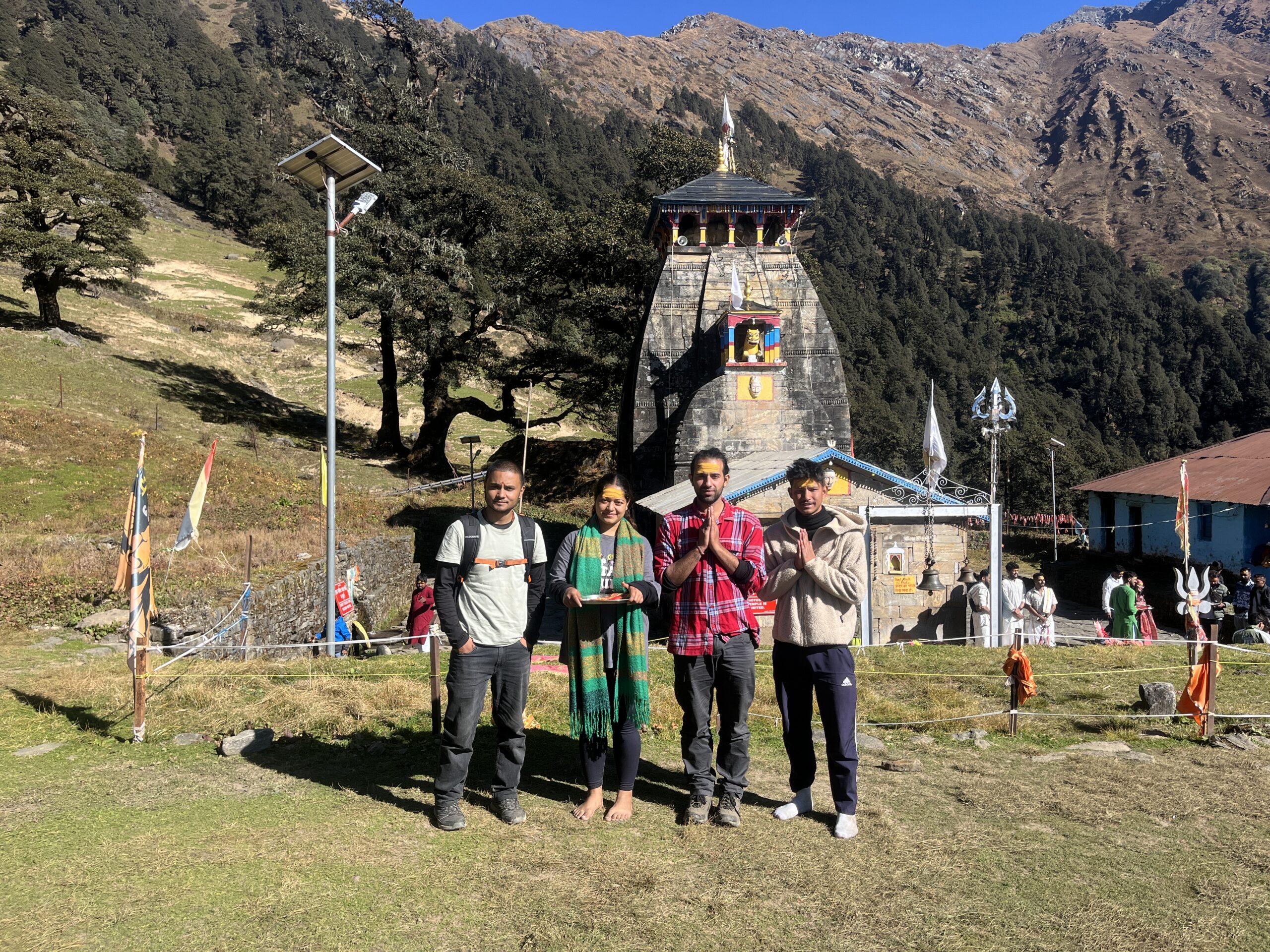
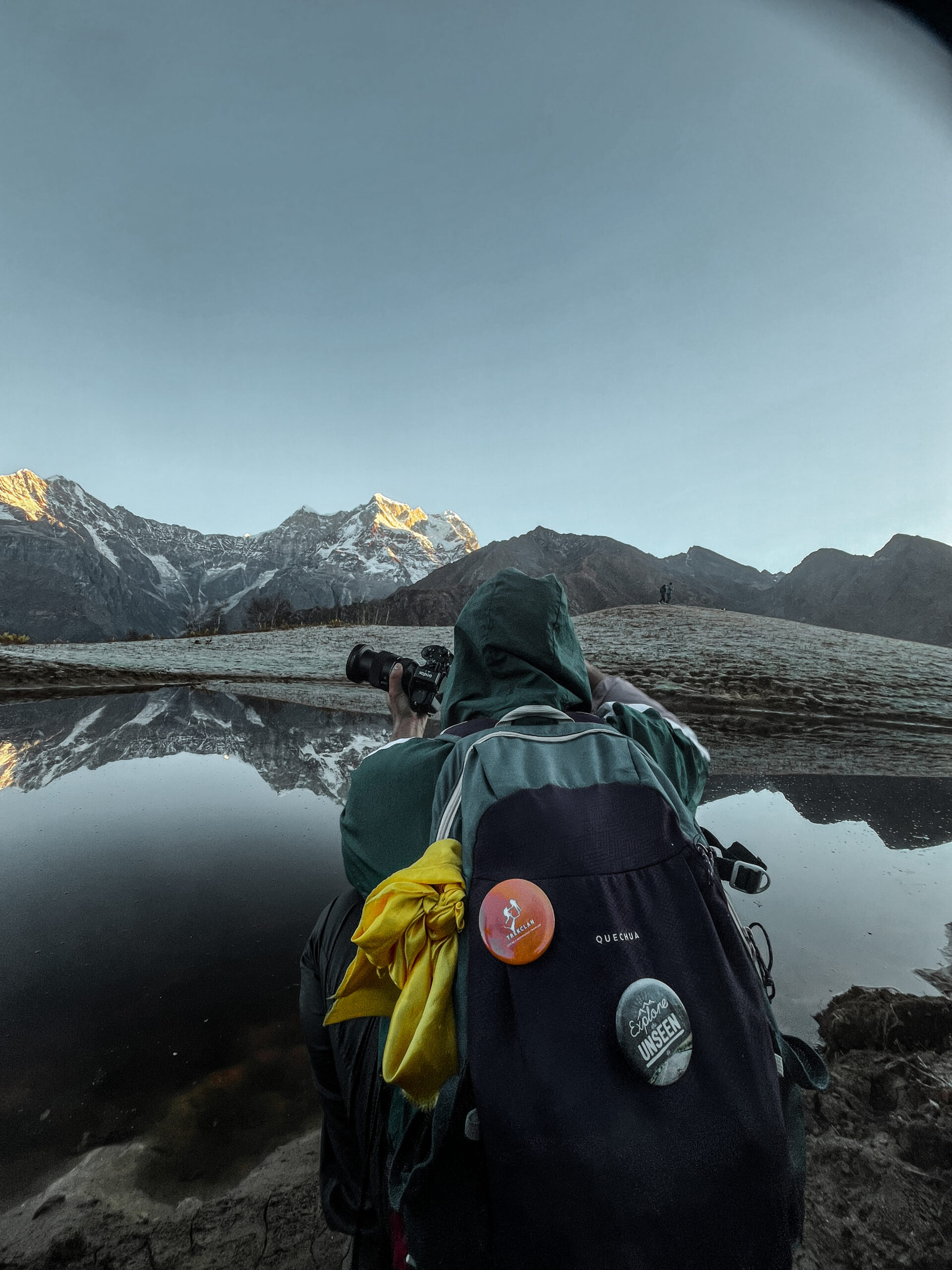
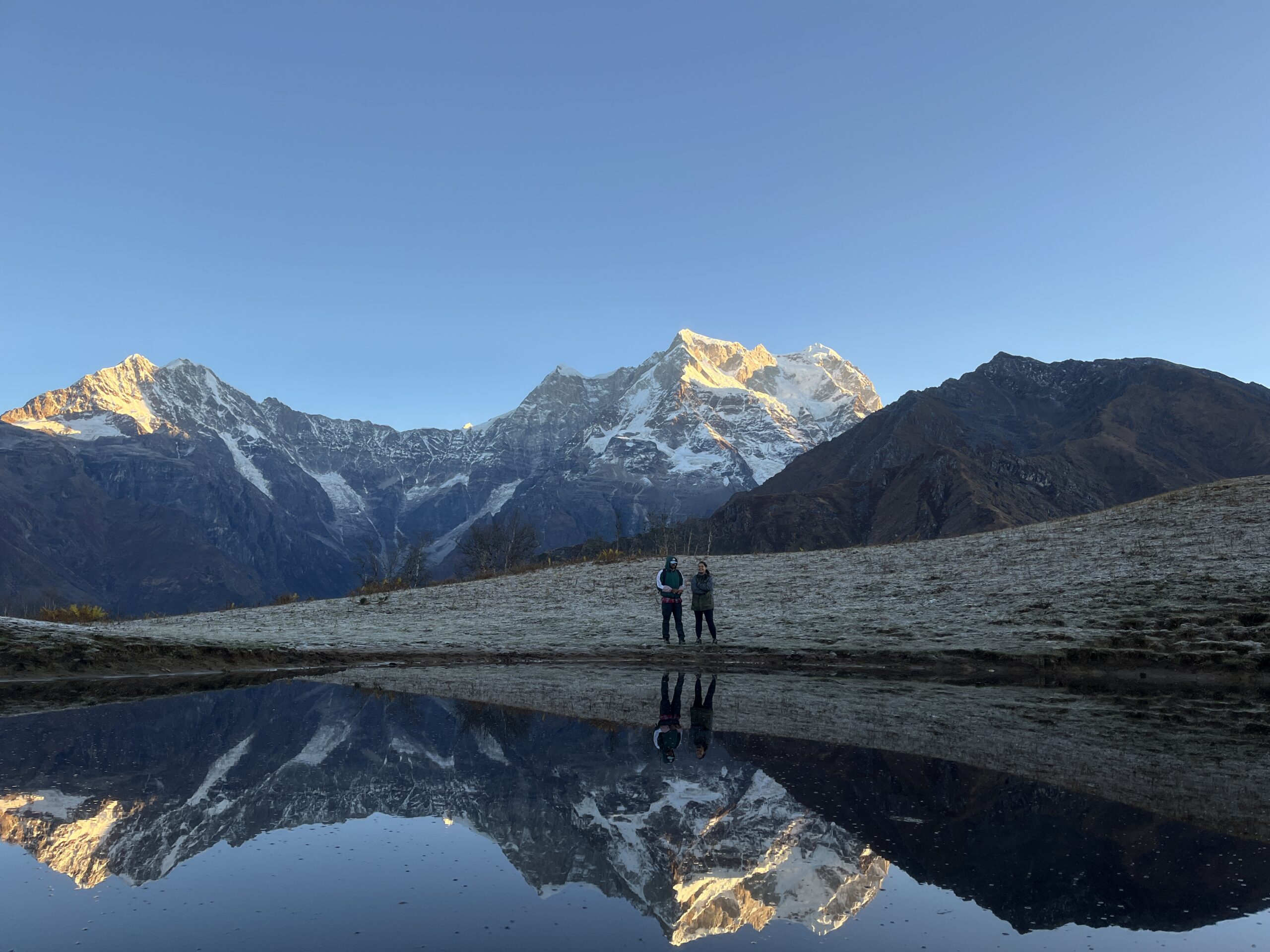
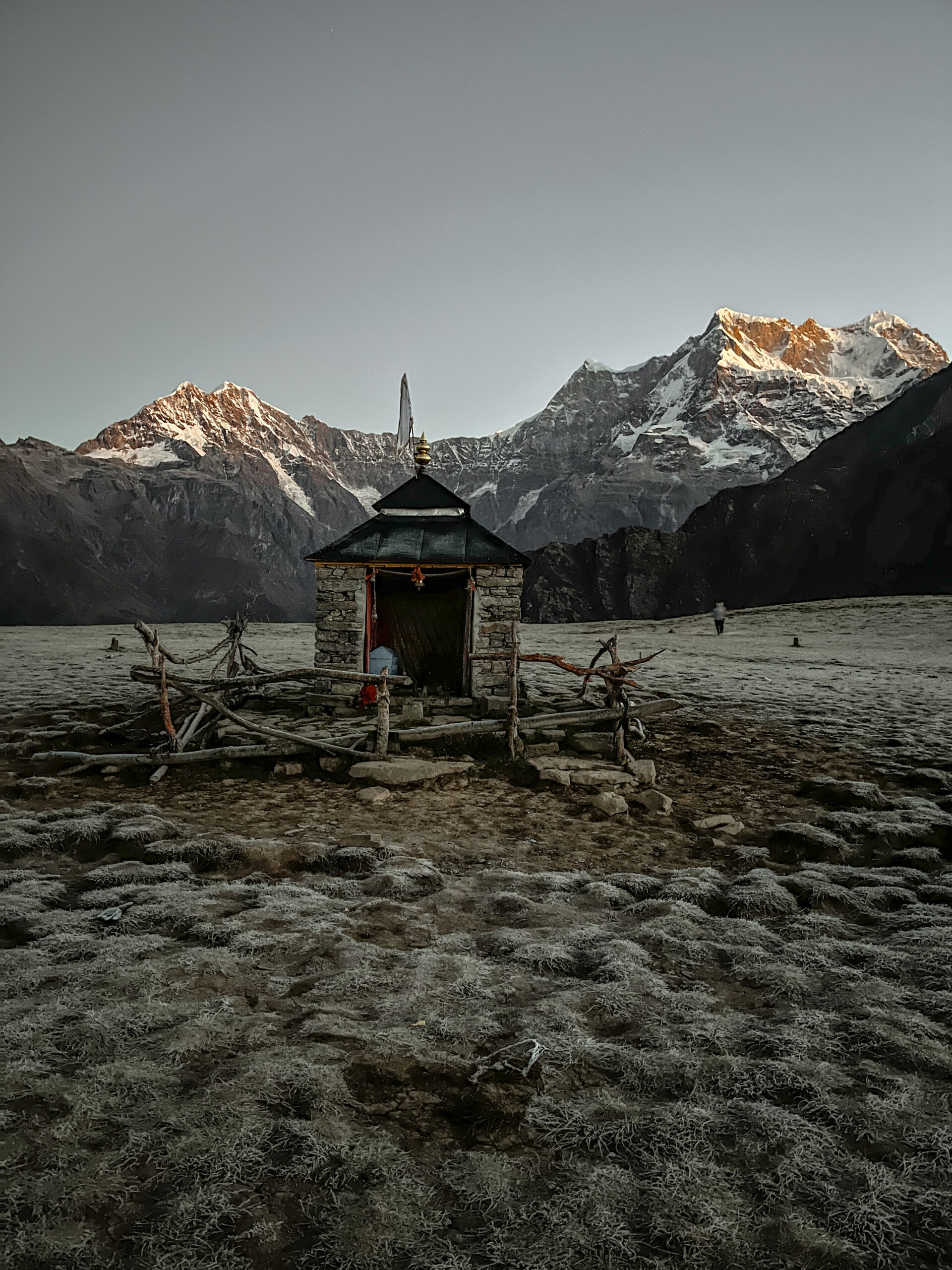
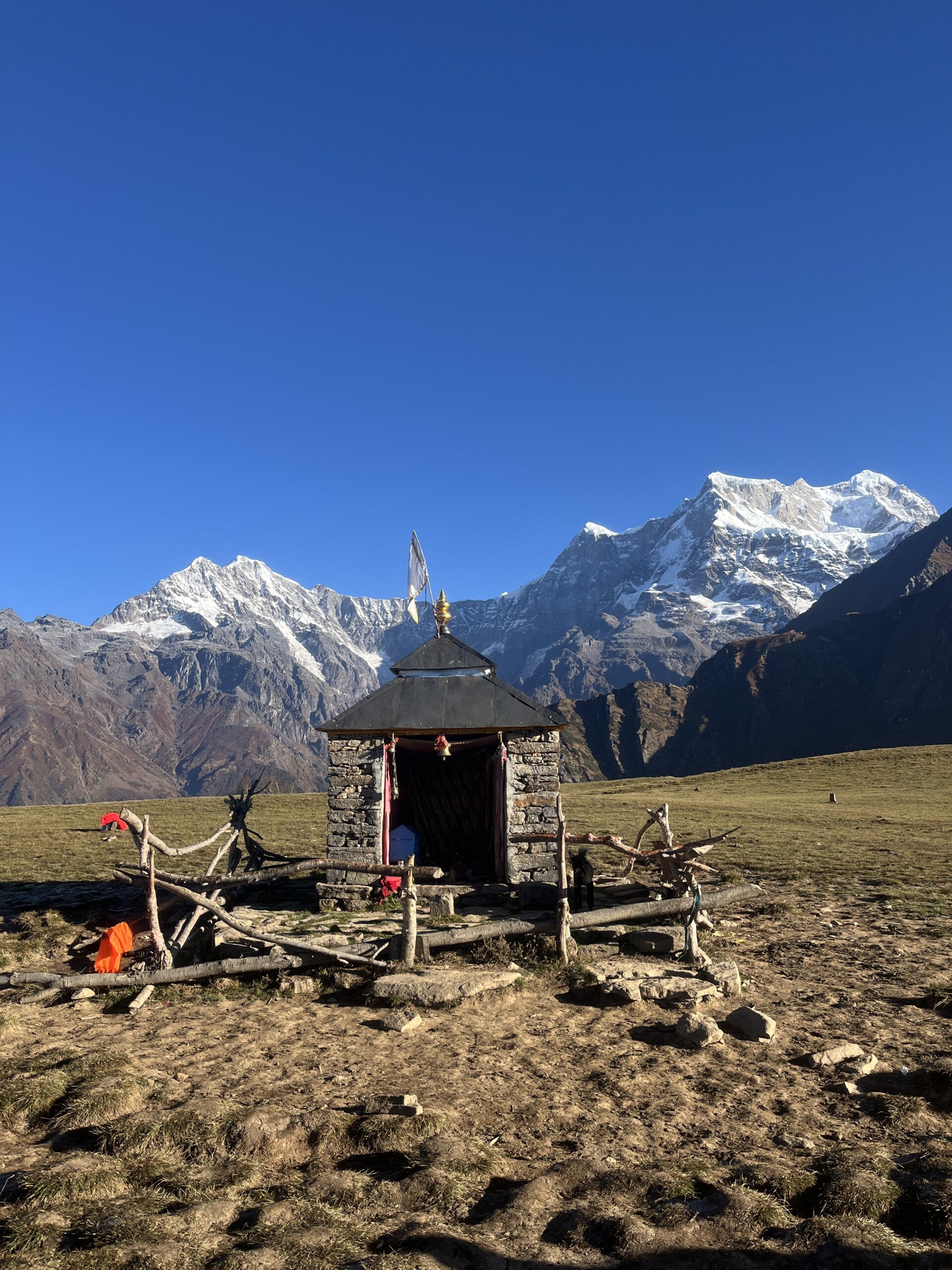
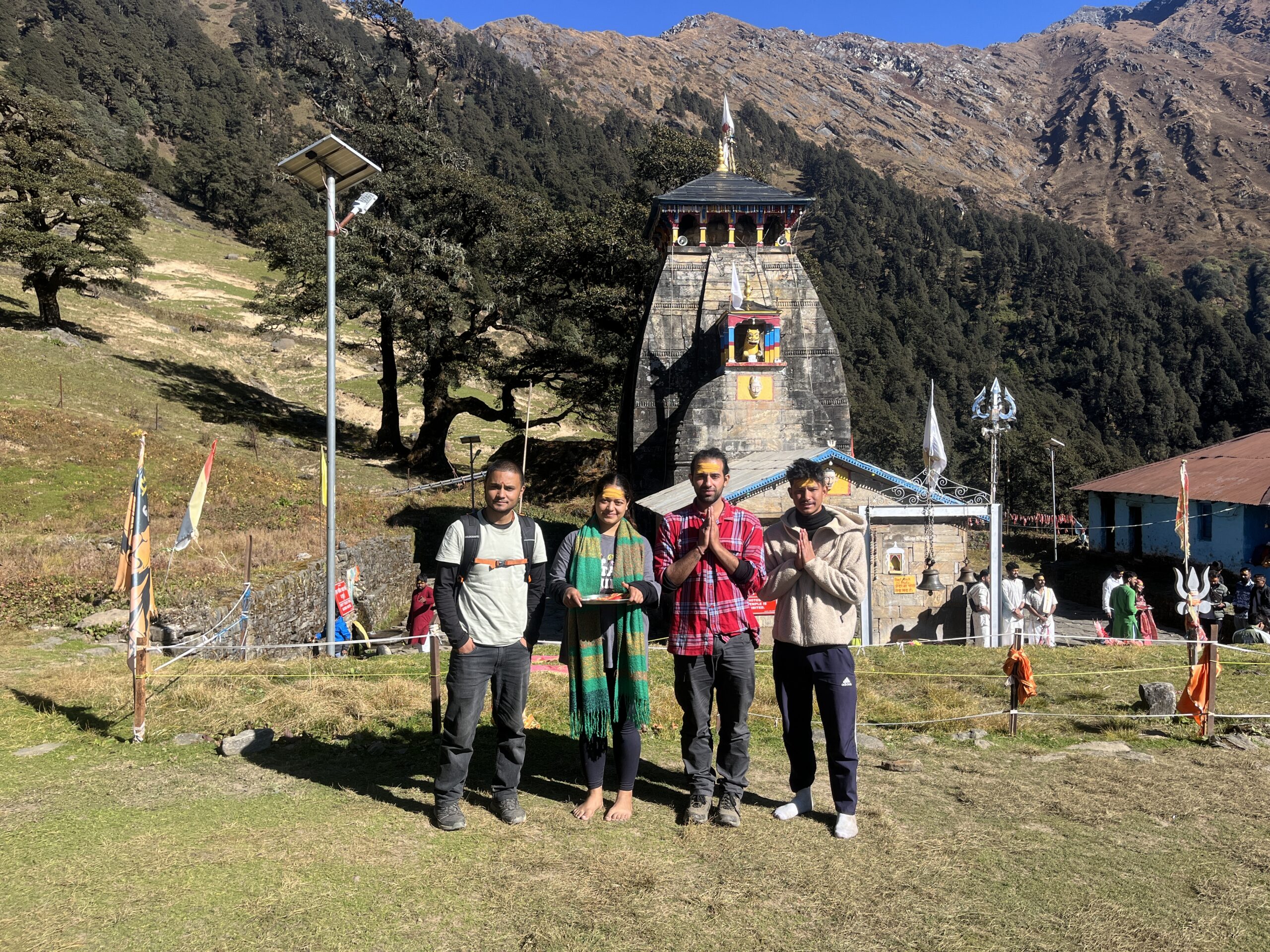
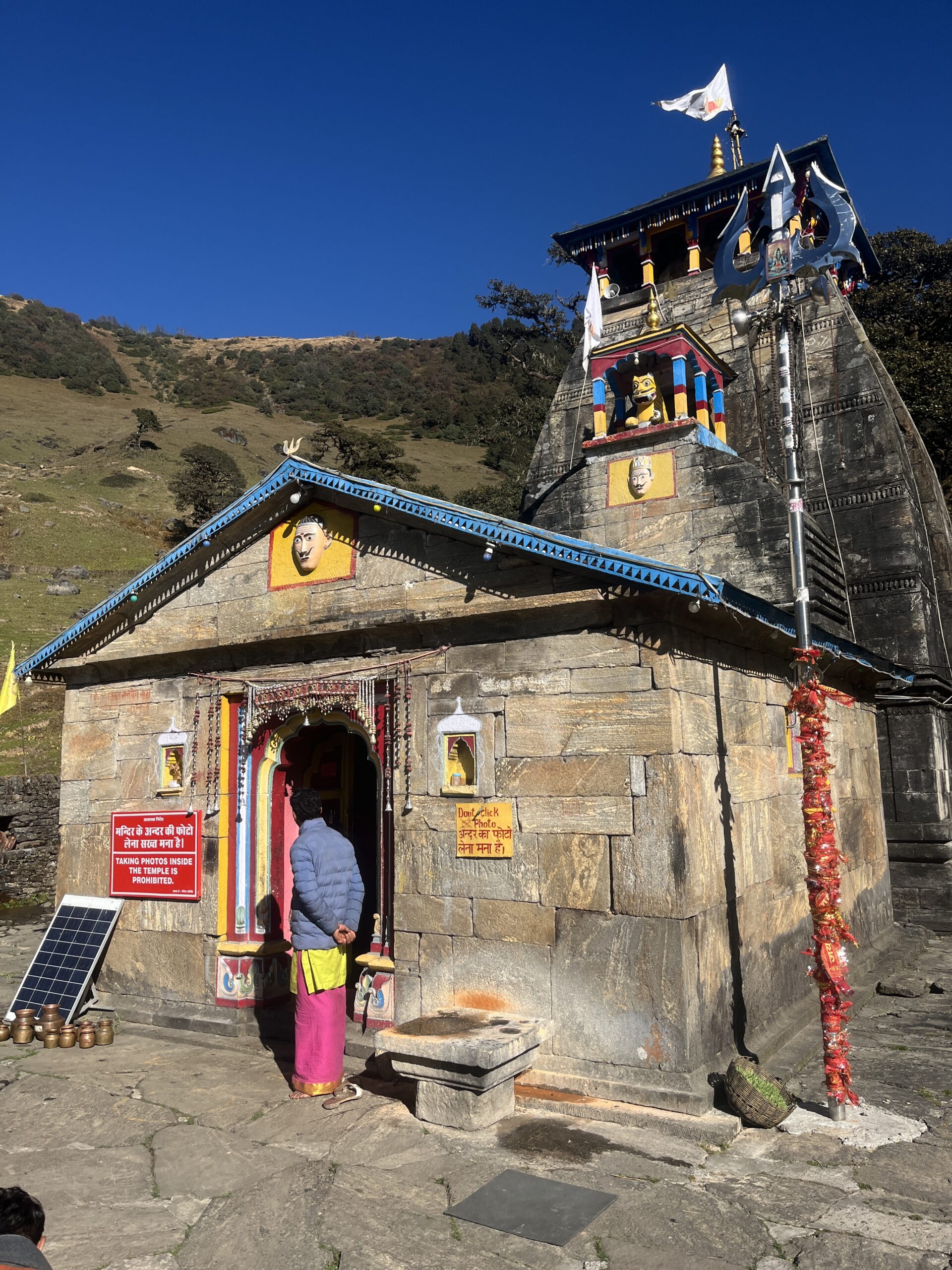
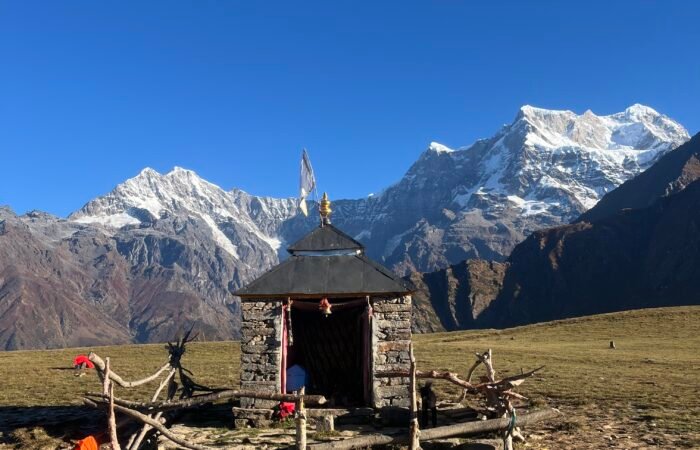
Madmaheshwar Temple in Uttarakhand is one of the most sacred shrines dedicated to Lord Shiva. It forms an important part of the Panch Kedar temples and stands at an altitude of 3,497 meters in the Rudraprayag district. Surrounded by alpine meadows and snow-covered Himalayan peaks, the temple is both a spiritual destination and a trekking paradise.
The Legend Behind Madmaheshwar
The story of Madmaheshwar Temple goes back to the time of the Mahabharata. After the great Kurukshetra war, the Pandavas felt guilty about the destruction they had caused. Therefore, they sought Lord Shiva’s blessings to free themselves from their sins. Soon after, they began their search across the high Himalayas.
However, Lord Shiva did not want to forgive them so easily. Instead, he took the form of a bull and wandered through the Garhwal mountains to avoid them. But, the Pandavas refused to give up. With great determination, they followed his trail through the mountains. Eventually, their devotion and persistence brought them closer to Lord Shiva.
At last, they saw the bull. As they moved closer, Shiva tried to escape. He dived into the earth to disappear. In this divine act, different parts of his body appeared in different places. These sacred spots later became the five Panch Kedar temples.
Kedarnath – hump of the bull
Tungnath – arms
Rudranath – face
Kalpeshwar – hair
Madmaheshwar – navel and stomach
The word Madmaheshwar itself comes from Madhya (middle/navel) and Maheshwar (Shiva). Here, devotees worship the navel and stomach portion of Lord Shiva.
Why Visit Madmaheshwar Temple?
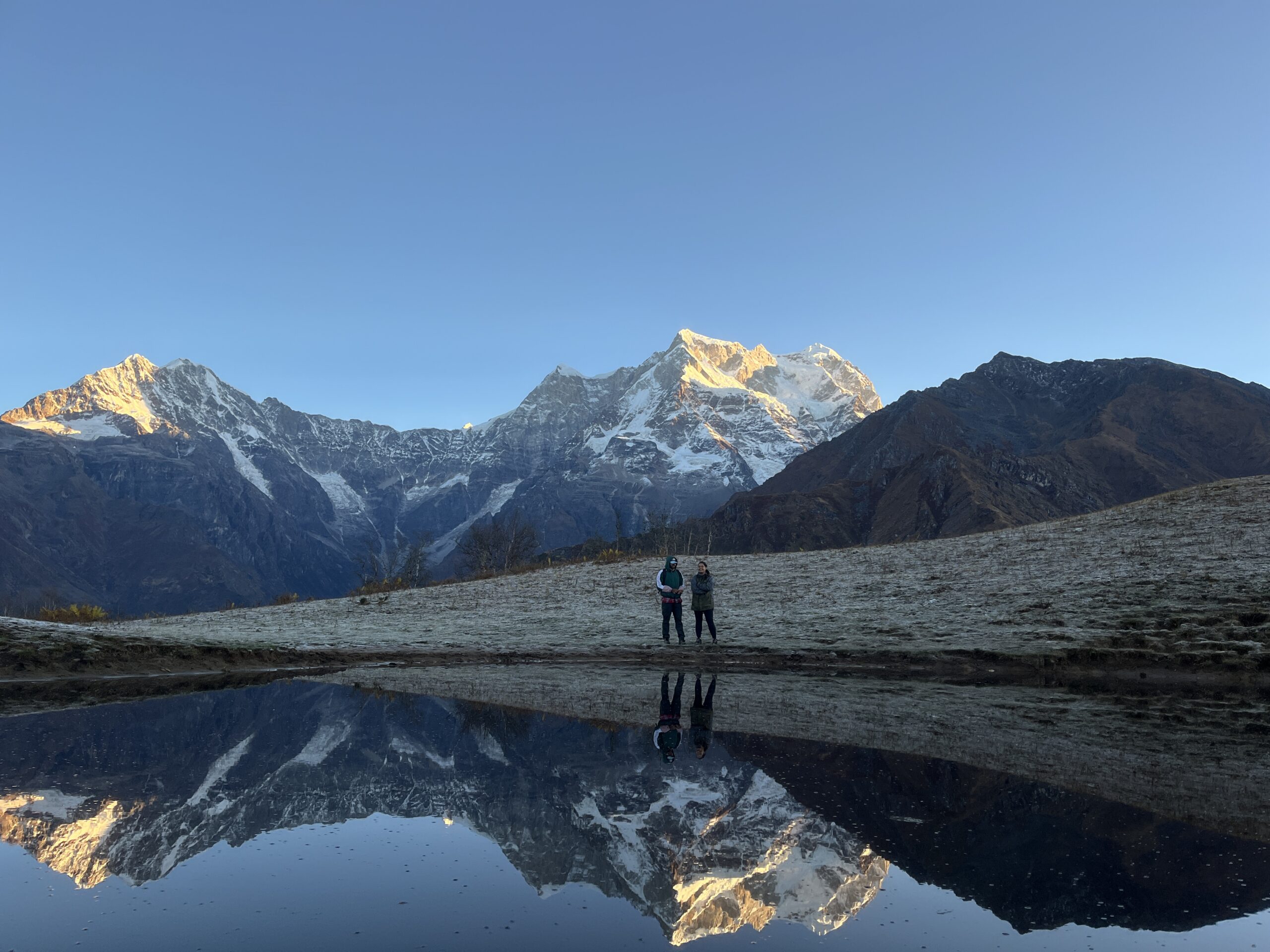
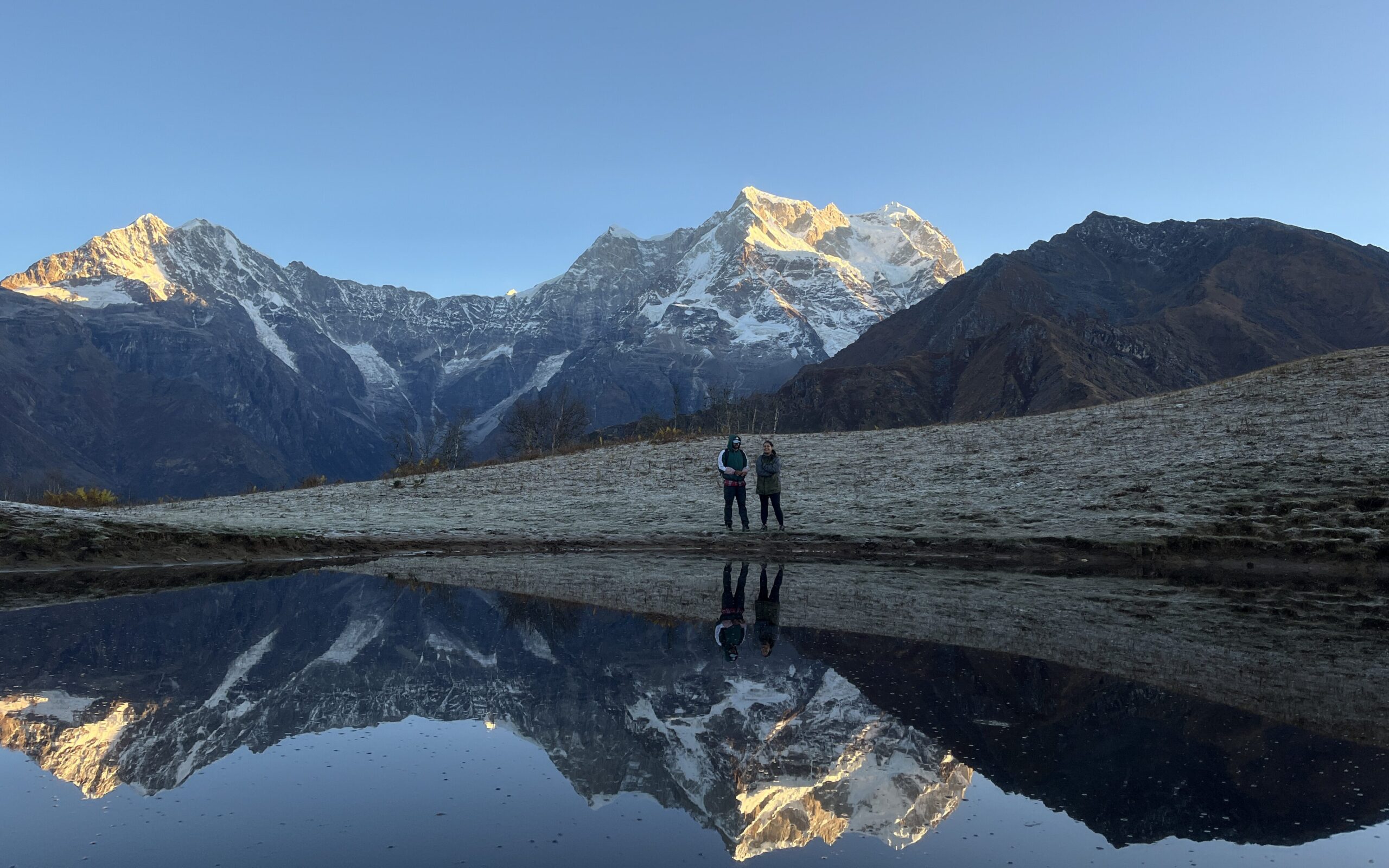
Madmaheshwar is not only a sacred shrine but also a place of deep spiritual energy. Moreover, many pilgrims believe that visiting the temple helps wash away sins and brings peace of mind. At the same time, the peaceful surroundings add to the spiritual experience. Green meadows, alpine forests, and majestic peaks like Chaukhamba, Kedarnath, and Neelkanth create a breathtaking setting.
However, the temple remains open only from May to October. Heavy snowfall blocks the route during winter. Therefore, devotees worship Lord Shiva’s idol at Ukhimath during the colder months. In addition, this seasonal tradition keeps the spiritual connection alive throughout the year.
Travel Tips
If you are planning the Madmaheshwar trek and temple visit, here are some useful tips:
Best Time to Visit:
May to June (pleasant weather, clear skies).
September to October (cooler days, stunning views).
Trek Route:
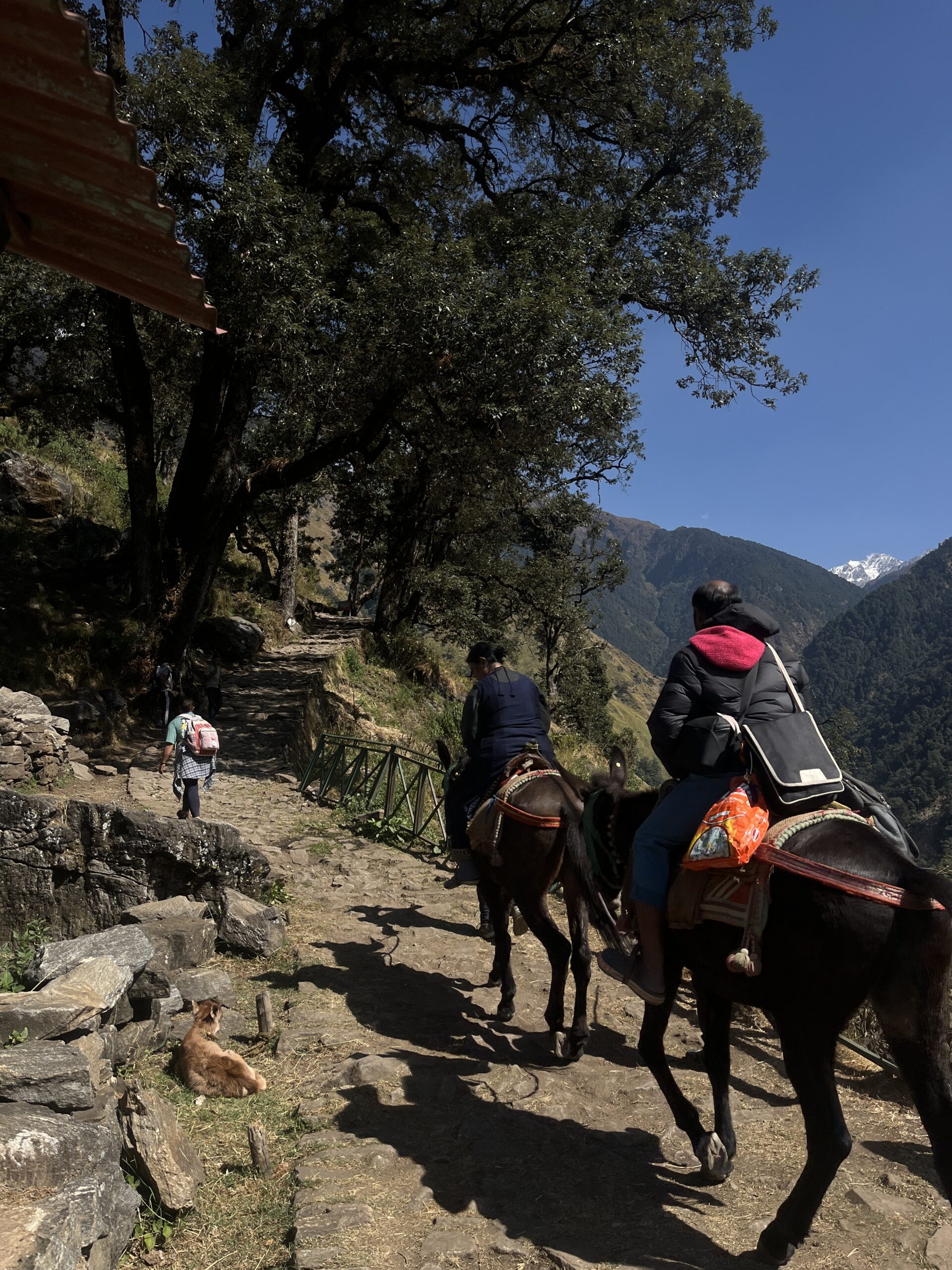
The journey starts from Ransi village, the last road head.
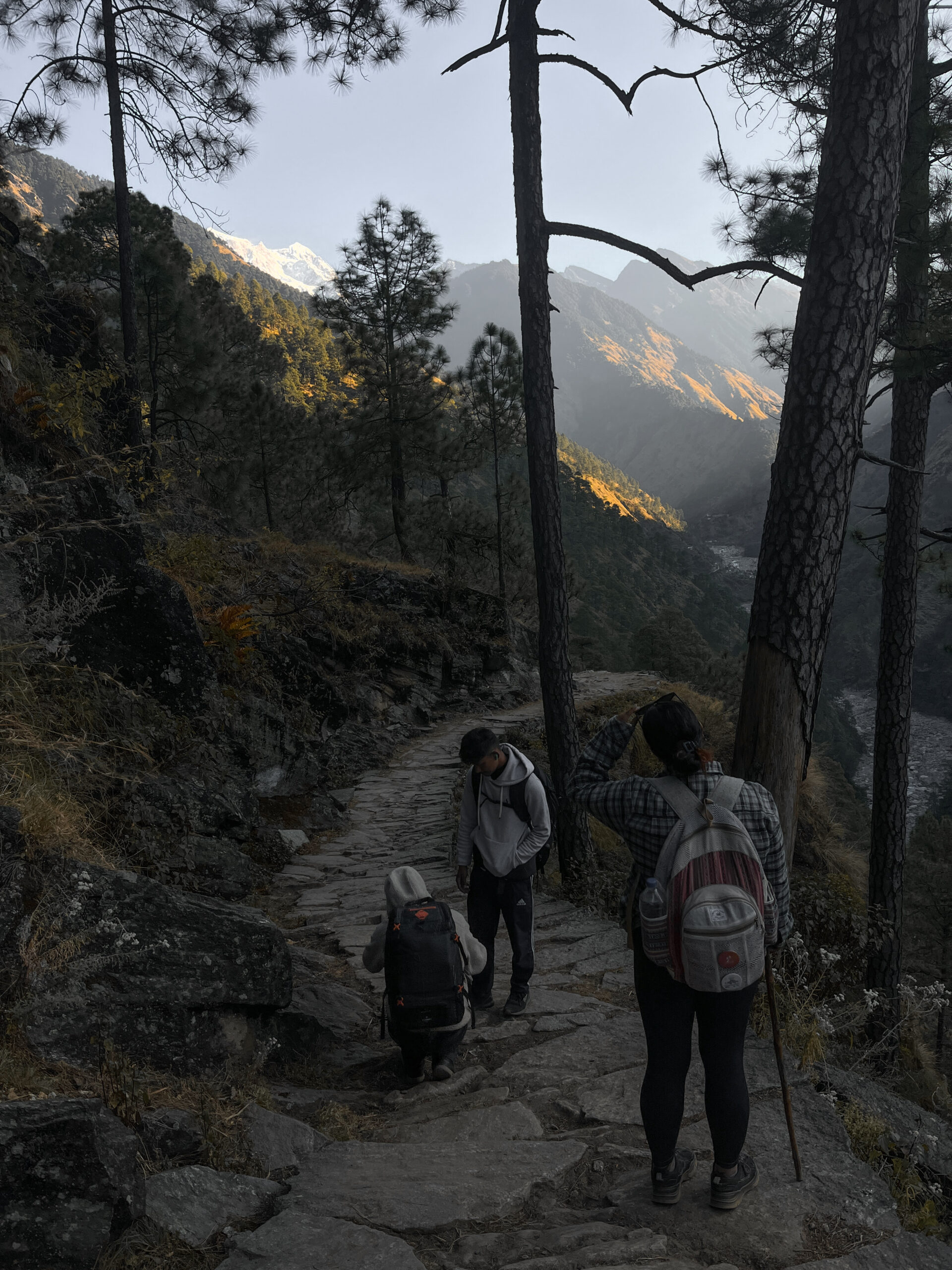
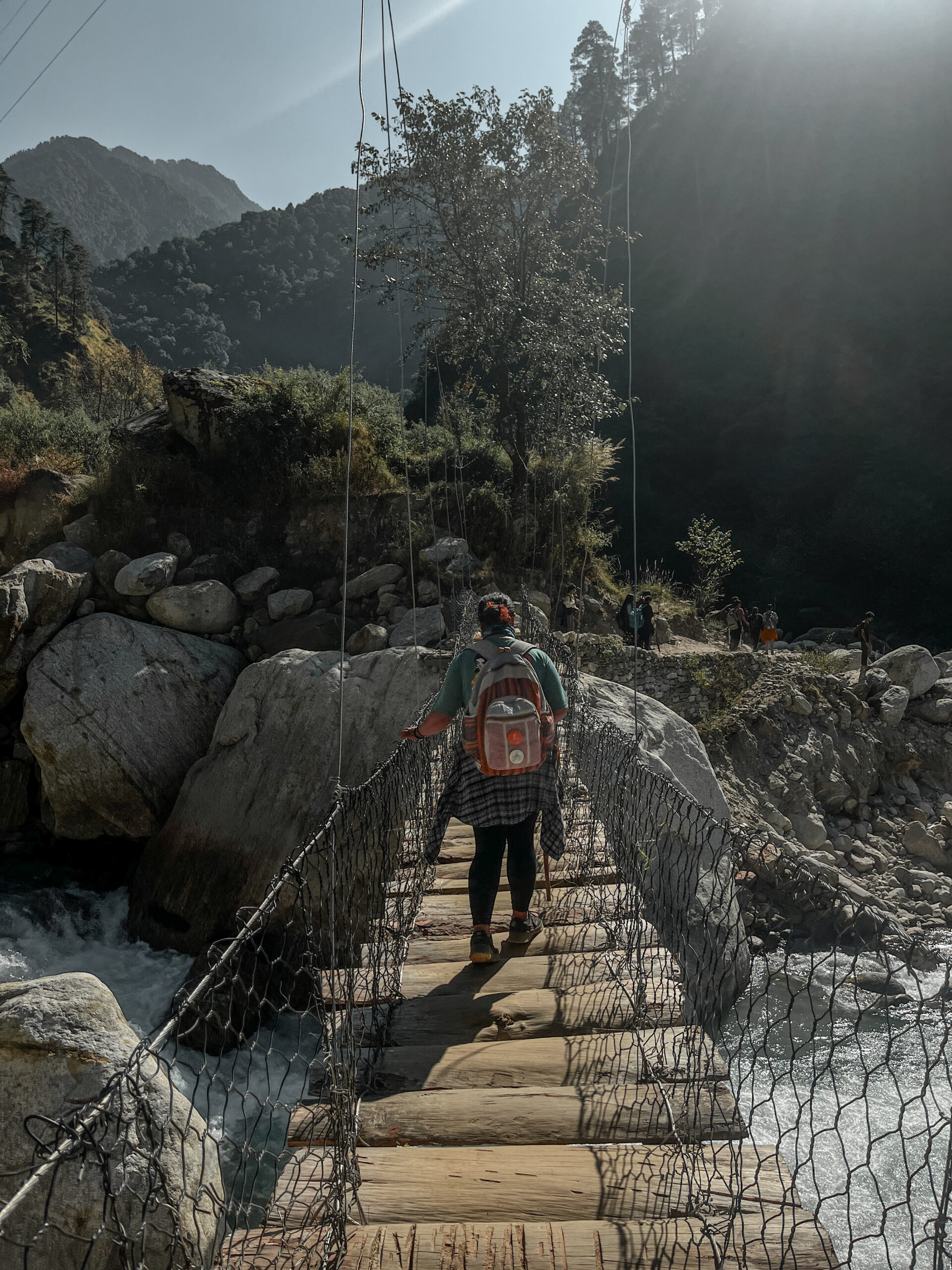
From Ransi, you trek around 16–18 km to reach the temple.
Difficulty Level:
Easy to moderate.
Suitable for both pilgrims and beginner trekkers.
Accommodation Options:
GMVN guesthouses at Ransi, Gaundhar, and Madmaheshwar.
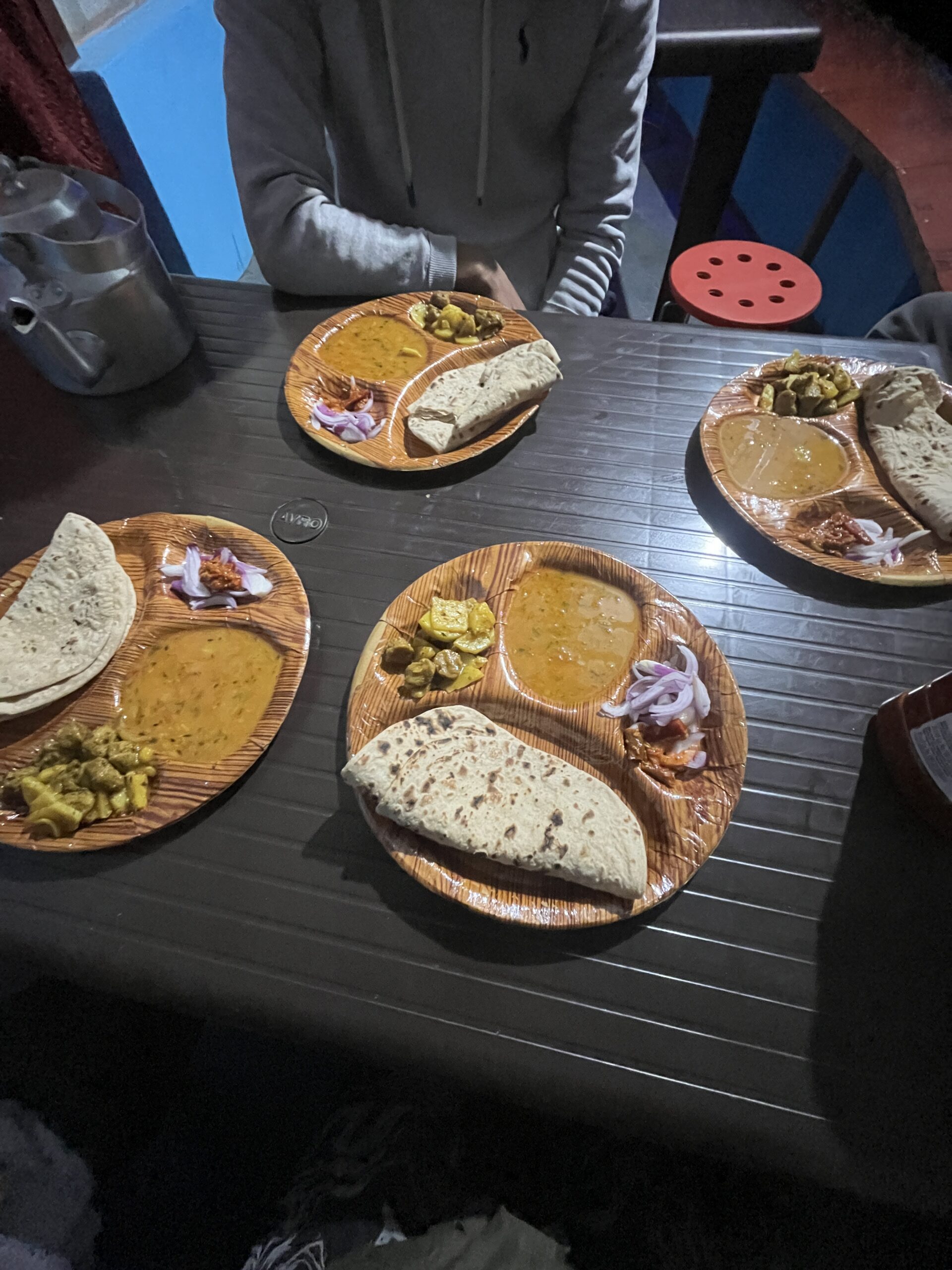
Homestays and small lodges run by locals.
Campsites for adventure lovers.
What to Carry:
Warm clothes, even in summer.
Good trekking shoes and a walking stick.
Water bottles and energy snacks.
Raincoat or poncho during monsoon.
Travel Safety:
Start the trek early to avoid afternoon rains.
Hire a local guide or porter if you are new to the trail.
Respect local culture and avoid littering.
Click Here to Book the tour : Book Now