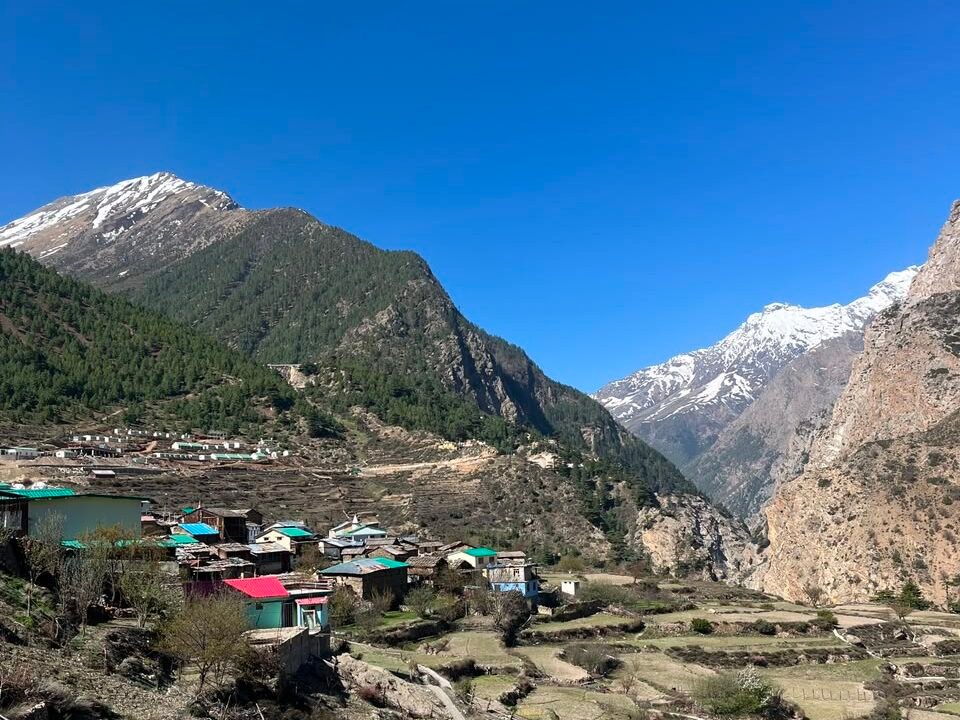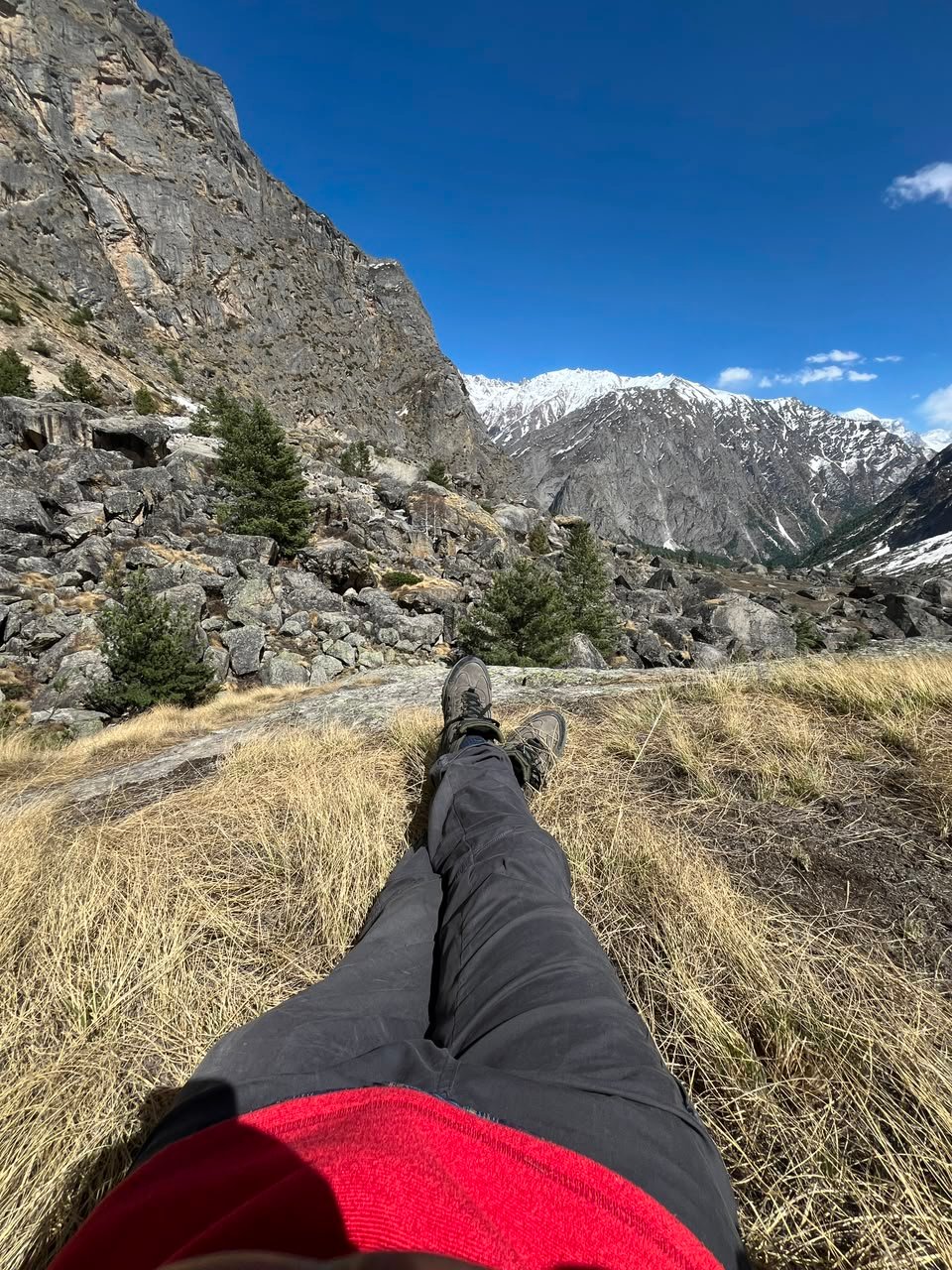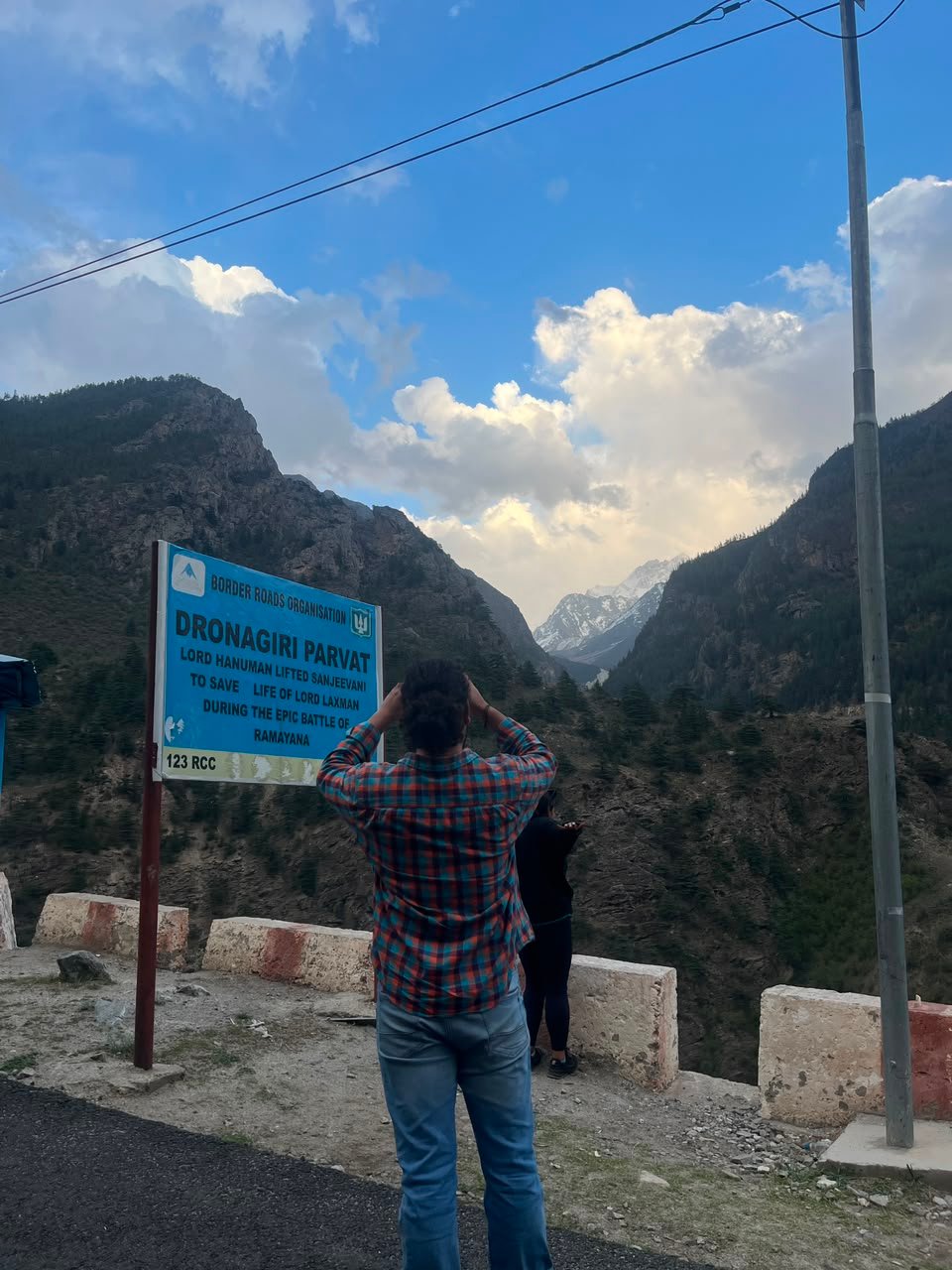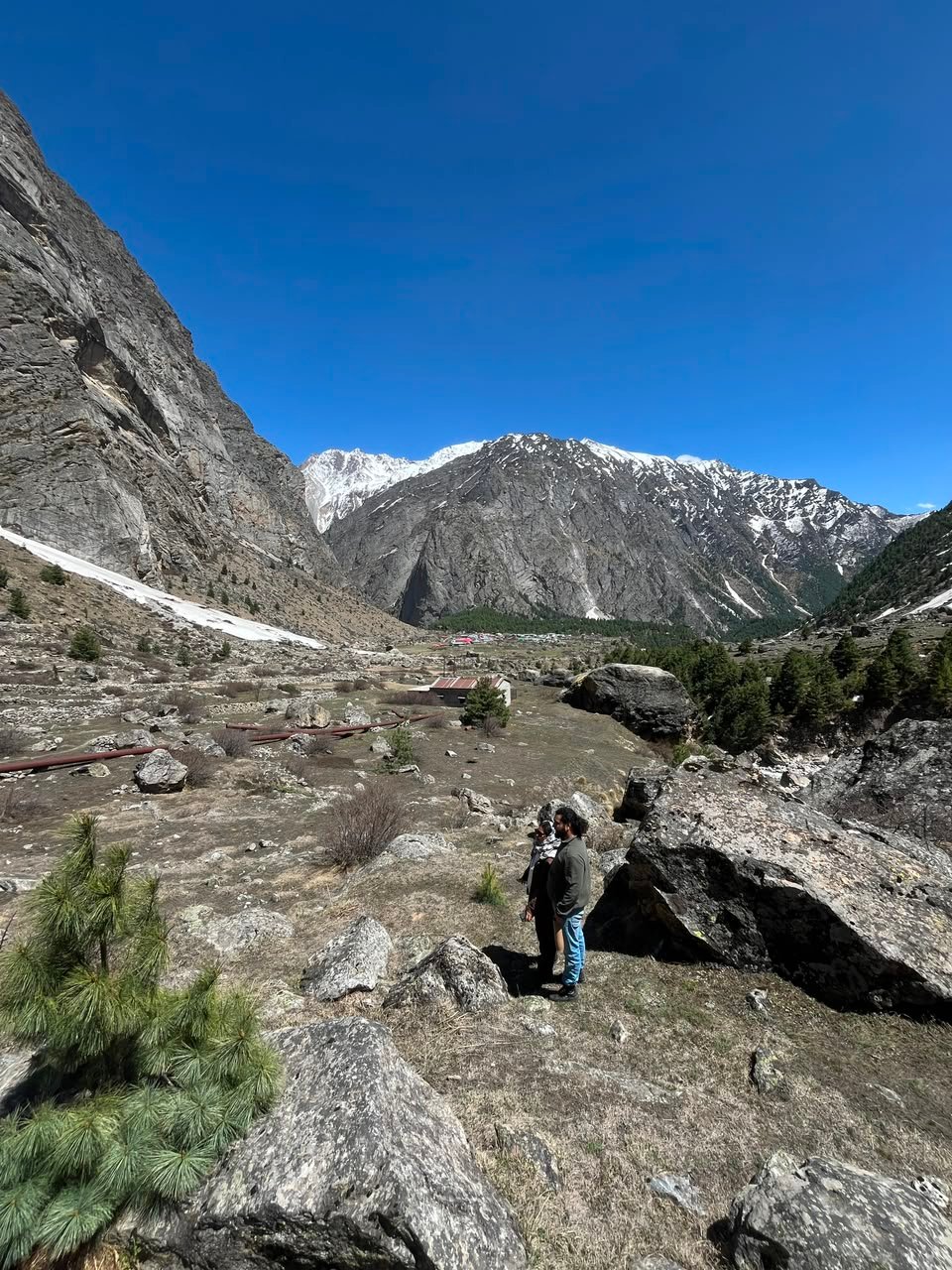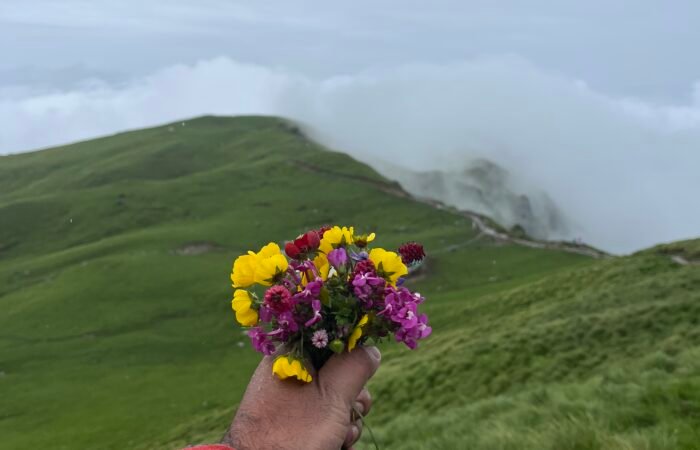

Niti Valley is one of the most fascinating and remote Himalayan regions of Uttarakhand. Located in Chamoli district near the Indo-Tibetan border, the valley is known for dramatic mountains, ancient trade routes, traditional villages, and rich cultural heritage.
However, this Himalayan destination is much more than a beautiful place to visit. Its true identity comes from the Rongpa people who have lived here for generations. Their traditions, language, seasonal lifestyle, architecture, and connection with the mountains have shaped the unique character of this region.
Today, a journey through this remote part of Uttarakhand offers travellers an opportunity to experience not only breathtaking Himalayan landscapes but also a living culture with a remarkable history.
The Ancient History of Niti Valley
For centuries, the region was connected to historic trade routes between the Indian Himalayas and Tibet. The high mountain passes provided important routes for local traders and communities.
In the past, traders travelled across these difficult mountain routes with pack animals. Salt, wool, grains, livestock, and other essential goods were exchanged between communities on both sides of the Himalayas.
As a result, the valley became an important part of the traditional trans-Himalayan trading network.
The journey across the mountains was difficult. Traders had to deal with high altitude, freezing temperatures, snowfall, and unpredictable weather. Therefore, knowledge of the mountains was essential for survival.
Over generations, the people of this region developed a lifestyle that was closely connected with the seasons, mountains, animals, and trade.
The Story Behind Niti Valley
The story of this Himalayan region is a story of adaptation and resilience.
For generations, people lived according to the rhythm of the mountains. During the warmer months, families travelled towards higher settlements and pastures. When winter arrived, they moved towards lower areas to escape the extreme cold and heavy snowfall.
This seasonal movement became an important part of life.
At the same time, trade provided another important source of livelihood. The high passes connected the region with the wider Himalayan world, allowing people to exchange goods and maintain cultural connections across the mountains.
Therefore, the history of this region cannot be understood without understanding its people.
Who Are the Rongpa People?
The Rongpa people are the traditional inhabitants of the upper valleys around Niti. Their identity is deeply connected with the high Himalayan environment in which they have lived for generations.
The Rongpa have developed a distinctive culture shaped by the geography, climate, and history of the region. Their traditional lifestyle has included agriculture, animal husbandry, wool work, local trade, and seasonal migration.
Their culture also reflects the long-standing interaction between Himalayan communities of Uttarakhand and the wider trans-Himalayan region.
Today, the Rongpa community continues to preserve many elements of its traditional identity, even as modern education, employment, tourism, and changing economic conditions influence life in the mountains.
Rongpa Culture and Traditional Lifestyle
Life in the upper Himalayas has never been easy. The high altitude, cold climate, and short agricultural season have required people to adapt carefully to their surroundings.
Traditionally, the Rongpa people depended on a combination of agriculture, animal husbandry, trade, and wool-based crafts.
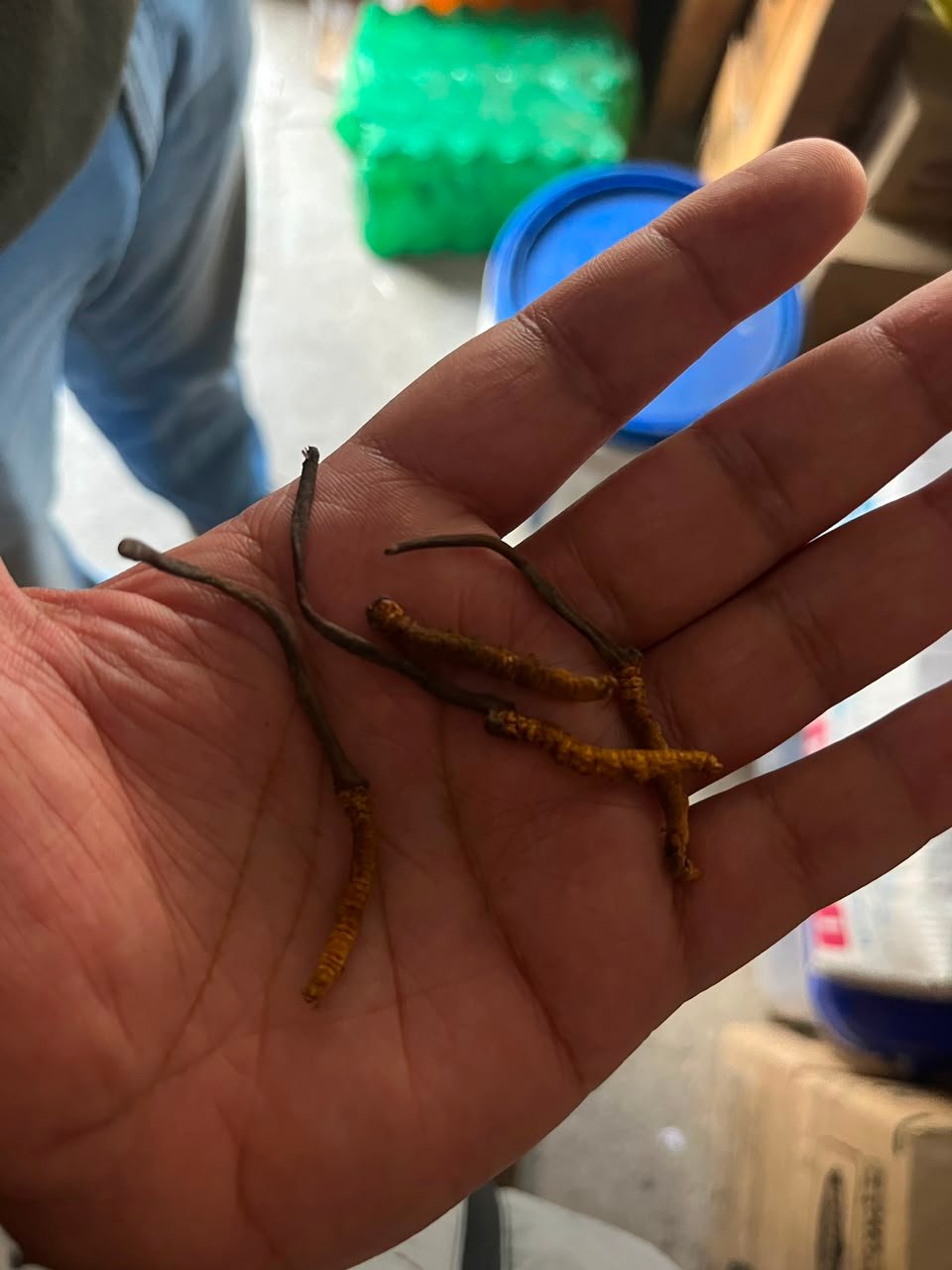
Sheep and goats were particularly valuable because they provided wool and were also used in traditional trade. Wool was spun and woven into useful household products and traditional clothing.
Moreover, local knowledge was passed from one generation to another. People learned how to travel through mountain passes, manage livestock, preserve food, and survive the long Himalayan winters.
Thus, the Rongpa way of life developed as a practical response to the challenging Himalayan environment.
Seasonal Migration in Niti Valley
One of the most fascinating aspects of Rongpa culture is seasonal migration. Life in the upper Himalayan villages can become extremely challenging during winter, as heavy snowfall and freezing temperatures make high-altitude living difficult.
Therefore, Rongpa families traditionally moved to lower settlements during the colder months. When summer arrived, they gradually returned to their higher villages and alpine pastures. This seasonal movement allowed them to manage their farms, care for their livestock, and make the most of the available resources.
Moreover, migration followed the natural rhythm of the Himalayas. Families planned their movements around weather, pasture, farming, and livestock needs. As a result, seasonal migration became an essential part of the Rongpa way of life and helped the community adapt to the demanding mountain environment.
Even today, understanding this traditional movement provides valuable insight into the culture, resilience, and deep connection between the Rongpa people and the Himalayas.
Niti Valley and the Ancient Trade Route
The history of this Himalayan region is closely connected with the Niti Pass, an important mountain route that traditionally linked India with Tibet. For generations, local traders crossed the high passes with pack animals and carried essential goods between the two regions.
Salt and wool played an important role in this traditional trade. In addition, traders exchanged grains, livestock, and other everyday necessities. As a result, the route became more than a trading path. It connected communities, encouraged cultural exchange, and shaped the livelihood of people living in the high Himalayas.
However, the 1962 India-China War brought a major change. The border closed, and traditional cross-border trade came to an end. Consequently, local communities had to adapt their livelihoods and explore new economic opportunities.
Even today, the Niti Pass remains an important part of the region’s history. Its story helps travellers understand how trade, geography, and the mountains shaped the lives of the Rongpa people over generations.
How 1962 Changed Niti Valley
The closure of the border in 1962 marked a major turning point in the history of the region. For generations, mountain trade had supported the local economy and connected the Rongpa people with communities across the Himalayas. However, after the border closed, this traditional source of livelihood came to an end.
As a result, Rongpa families gradually adapted to new economic opportunities. Agriculture, animal husbandry, wool work, government employment, and local businesses became increasingly important sources of income. At the same time, many families began moving towards lower towns and cities to pursue better opportunities in education and employment.
Despite these changes, the Rongpa people have continued to value their language, traditions, customs, and cultural identity. Their heritage remains an important part of the region and continues to shape the unique character of life in the high Himalayas.
Traditional Houses of Niti Valley
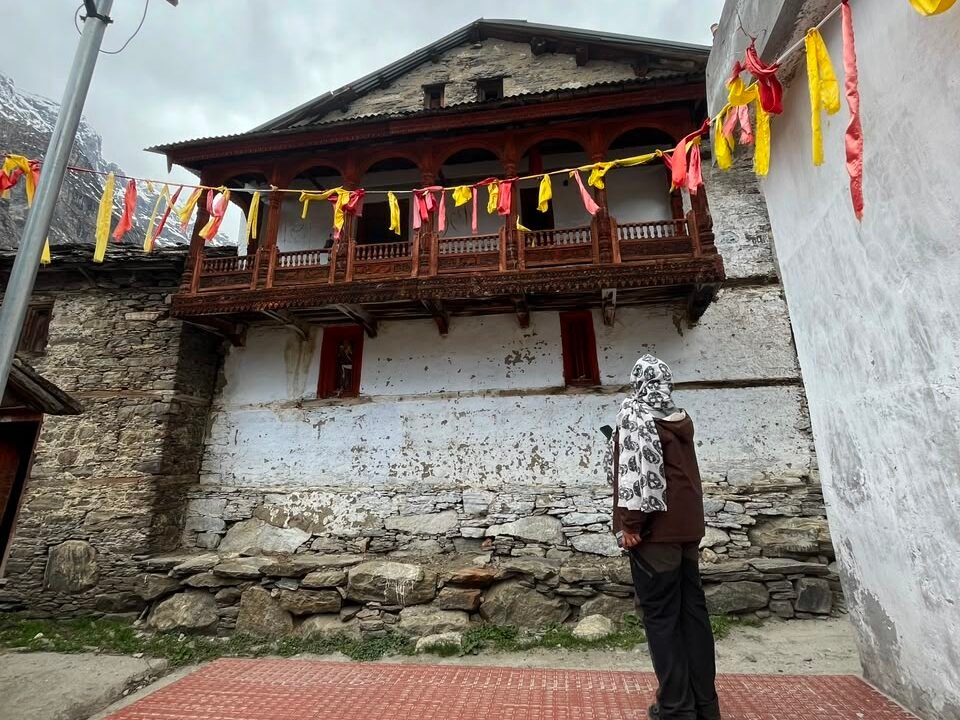
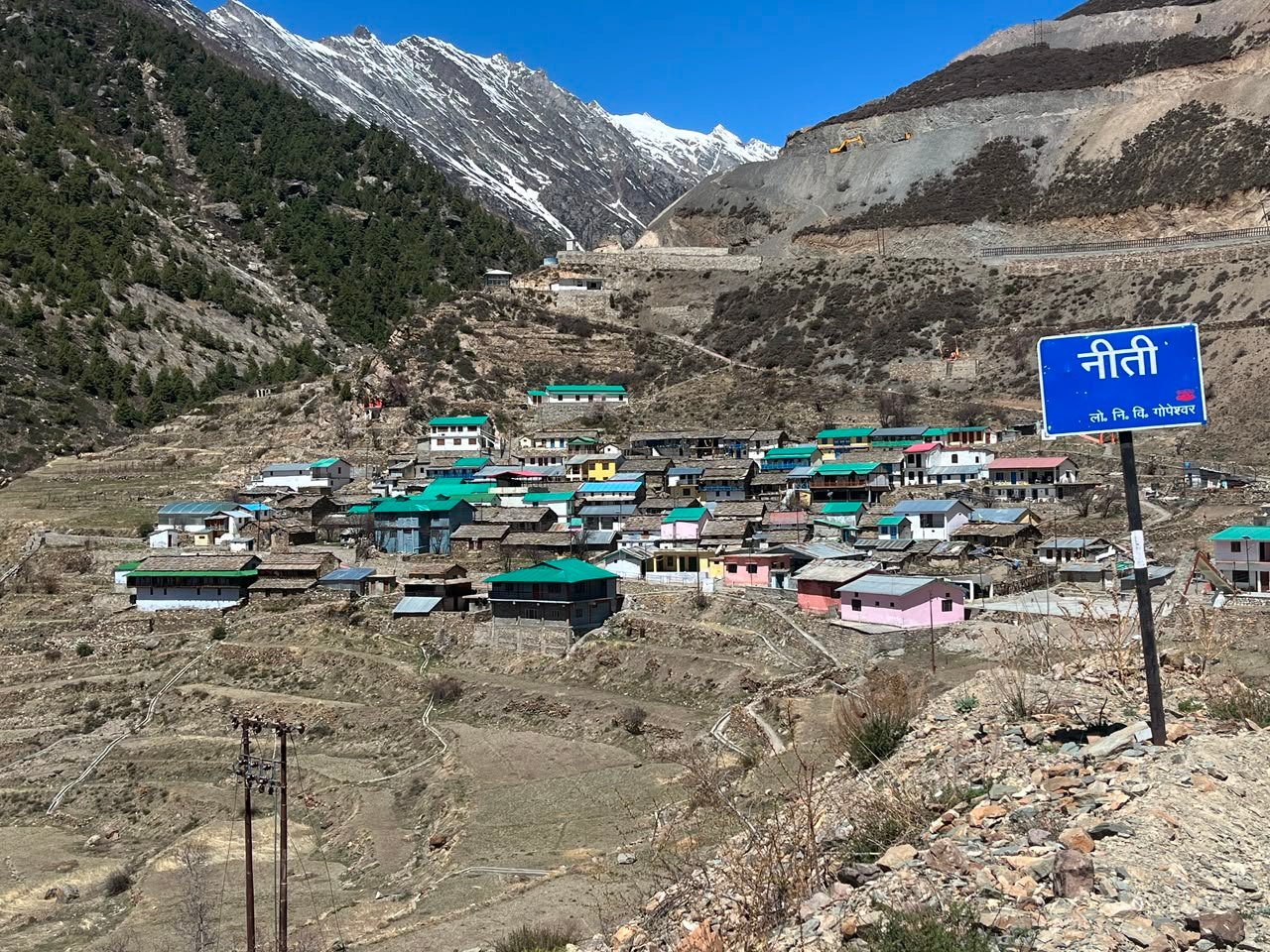
The traditional houses of this Himalayan region beautifully reflect the lifestyle and resilience of the Rongpa people. Built for the demanding mountain climate, these homes traditionally use stone, wood, and slate. These locally available materials help protect families from cold temperatures while providing strong and practical shelter.
Moreover, the architecture follows the natural conditions of high-altitude life. Thick stone walls, wooden elements, and sturdy roofs help homes withstand harsh weather and heavy snowfall.
As you travel through villages such as Niti, Gamshali, Malari, and Bampa, you can still discover examples of this traditional Himalayan architecture. Therefore, these villages offer much more than scenic views. They provide a glimpse into the history, skills, and everyday life of the Rongpa community.
Language and Identity of the Rongpa People
Language plays an important role in Rongpa identity and heritage. The Rongpa people of the Niti region have their own linguistic traditions, which have evolved over generations through close connections with neighbouring Himalayan and trans-Himalayan communities.
Their language reflects the region’s long history of mountain life and traditional trade. Moreover, their cultural identity extends far beyond language. Local stories, festivals, traditional clothing, food, architecture, and religious practices continue to reflect the heritage of the community.
As a result, these traditions help keep Rongpa culture alive and connect younger generations with the history of their ancestors. By learning about their culture, travellers can gain a deeper understanding of the people and traditions that make this Himalayan region truly unique.
Niti Village – A Living Heritage
Niti Village is one of the most significant settlements in the region. Located at a high altitude near the Indo-Tibetan border, the village offers a fascinating glimpse into traditional Himalayan life. Its unique location, traditional architecture, surrounding mountains, and rich cultural history make it an interesting place to explore.
For travellers, visiting the village provides an opportunity to understand how local communities have adapted to life in one of the most challenging environments in the Himalayas. Moreover, the peaceful surroundings allow visitors to experience the slower rhythm of mountain life.
The experience becomes even more meaningful when you explore the village through the stories and traditions of the Rongpa people. As a result, Niti Village becomes more than a stop on your journey—it becomes a window into the history, culture, and living heritage of the Himalayas.
Malari and Gamshali
The journey towards Niti Valley takes you through historic and culturally rich villages such as Malari and Gamshali. Along the way, you can admire traditional Himalayan homes, learn about local life, and experience the peaceful character of this remote mountain region.
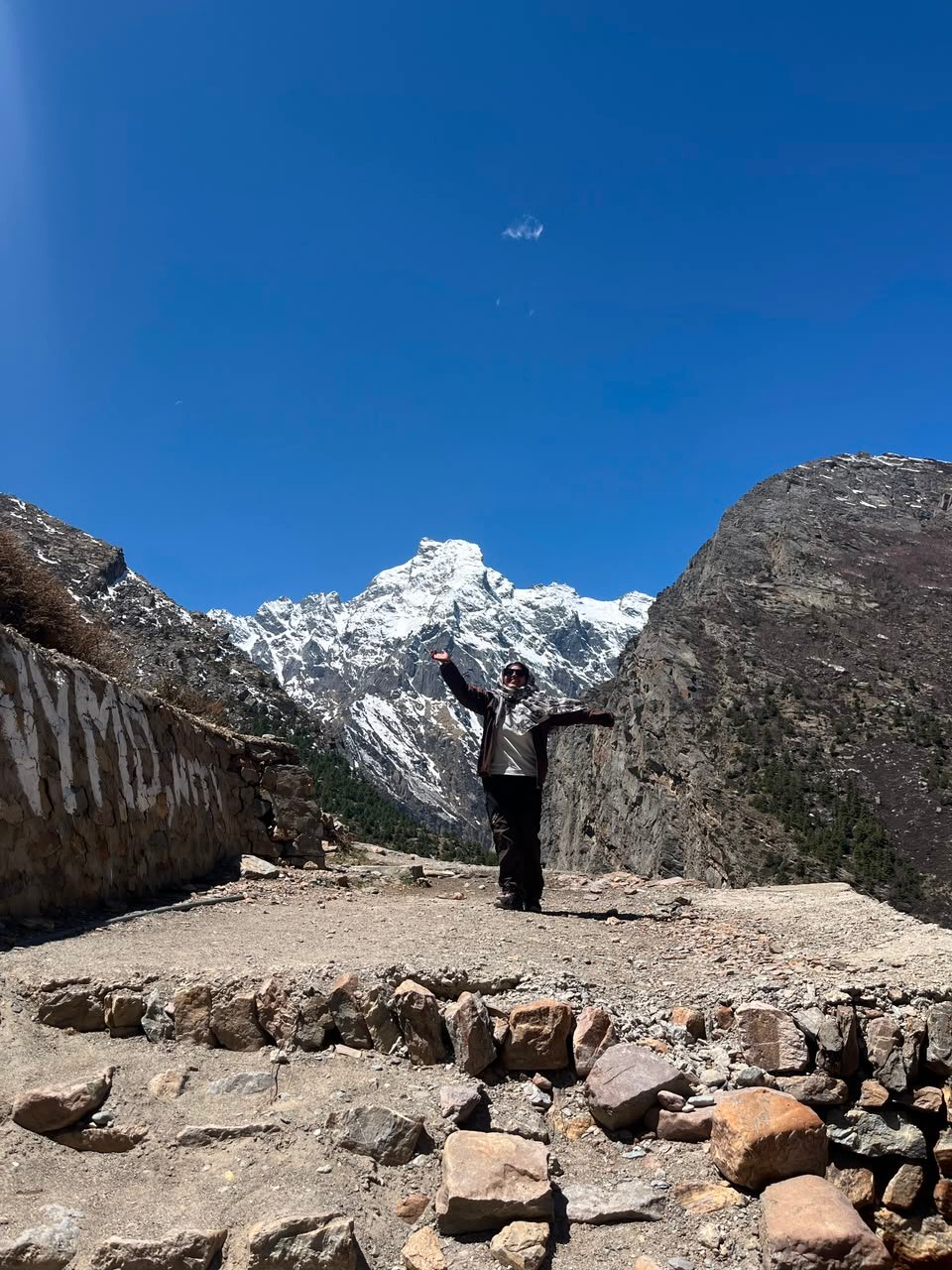
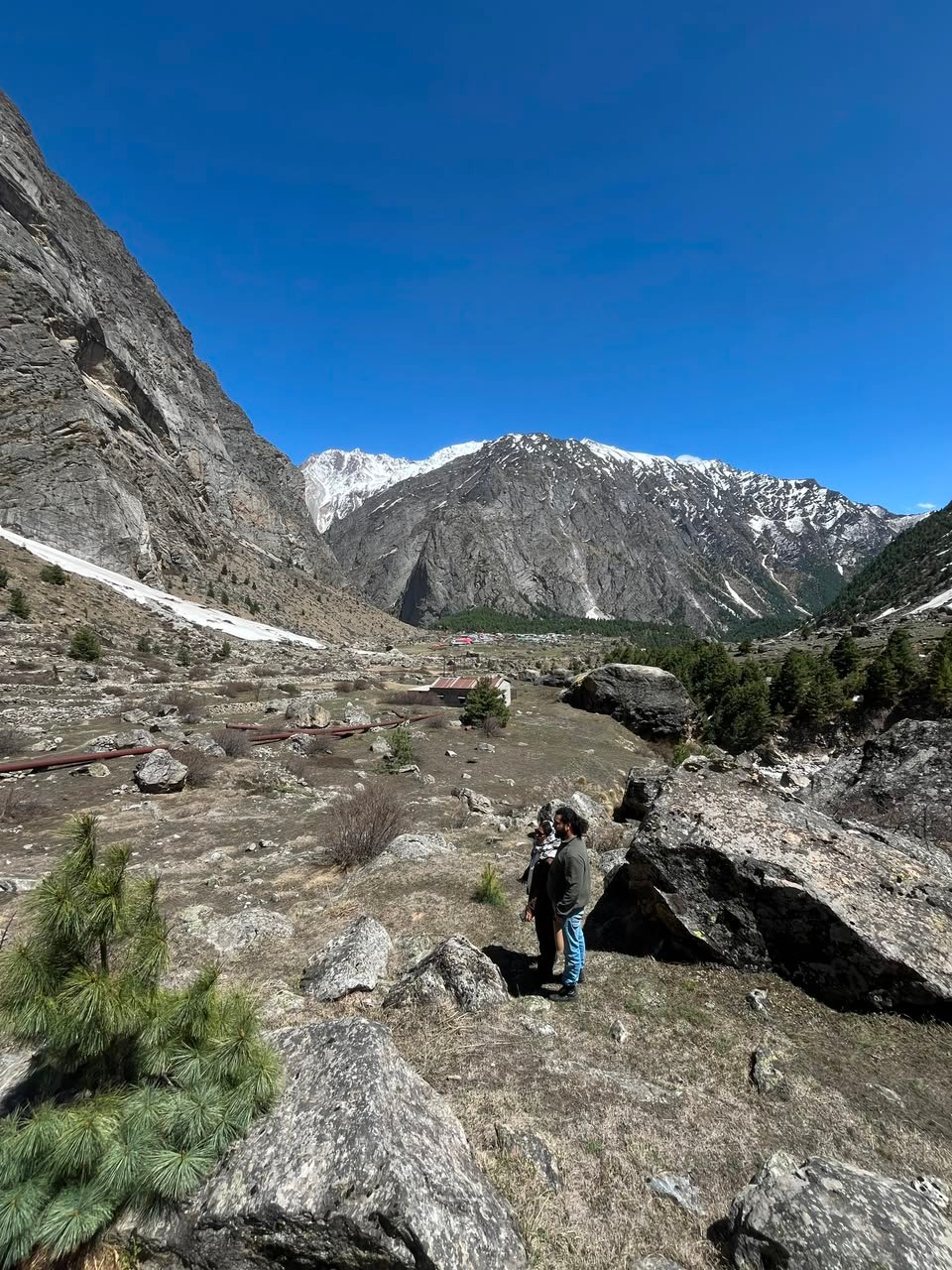
Moreover, the surrounding landscape offers spectacular views at every turn. High mountains, deep valleys, flowing rivers, dense forests, and alpine terrain create a dramatic backdrop throughout the journey.
As you travel deeper into the valley, the surroundings become quieter and more peaceful. Gradually, the busy world fades away, while the raw beauty of the Himalayas takes centre stage. This combination of culture and natural beauty makes the journey through Malari and Gamshali a memorable part of your Niti Valley adventure.
Timmersain Mahadev and the Spiritual Side
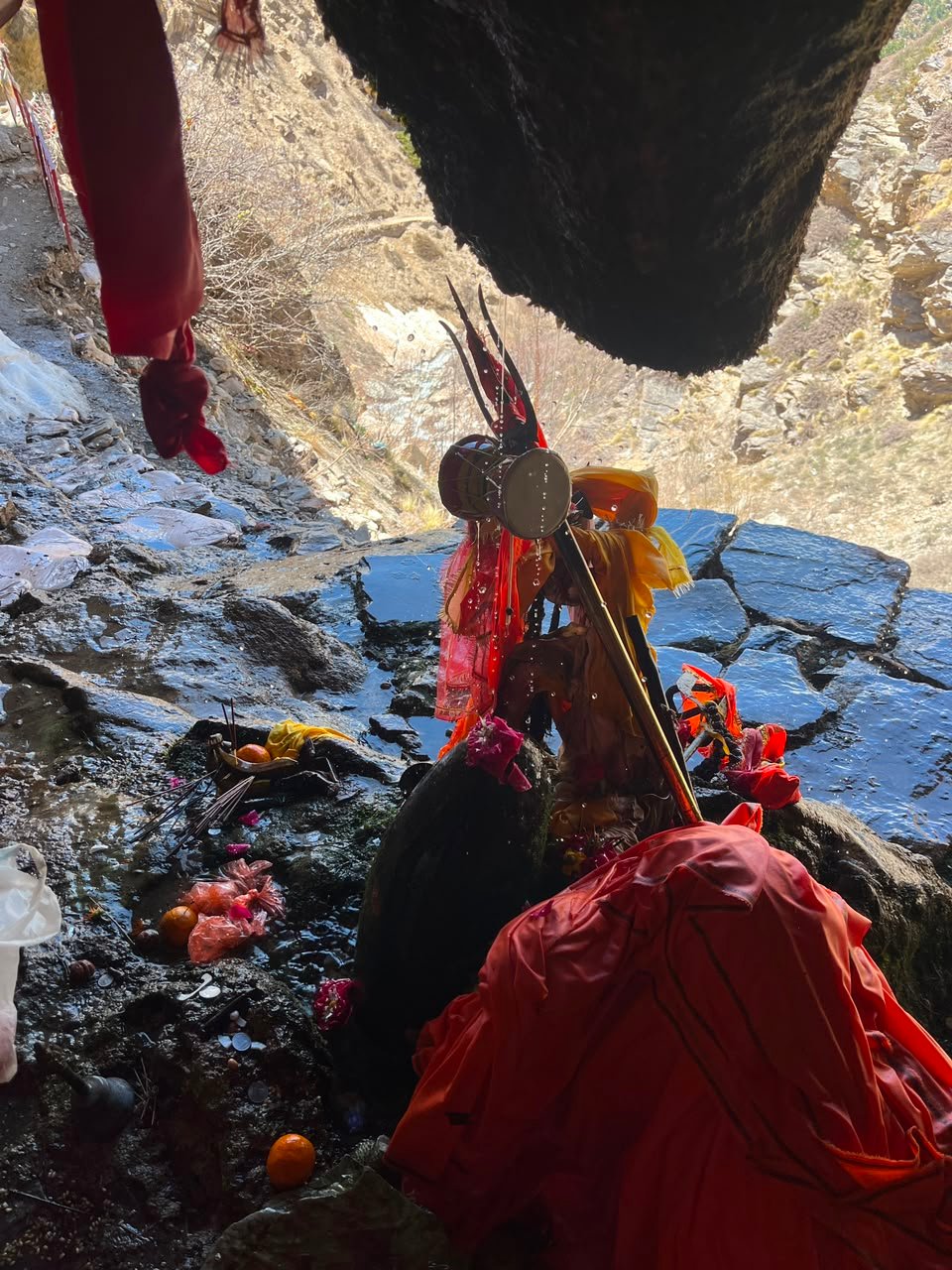
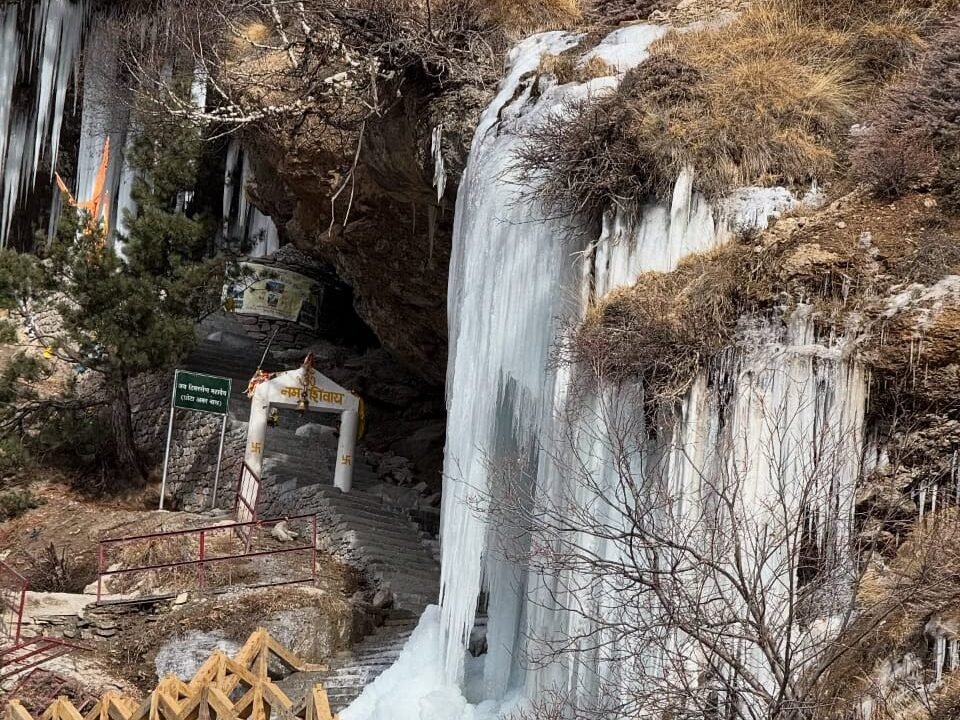
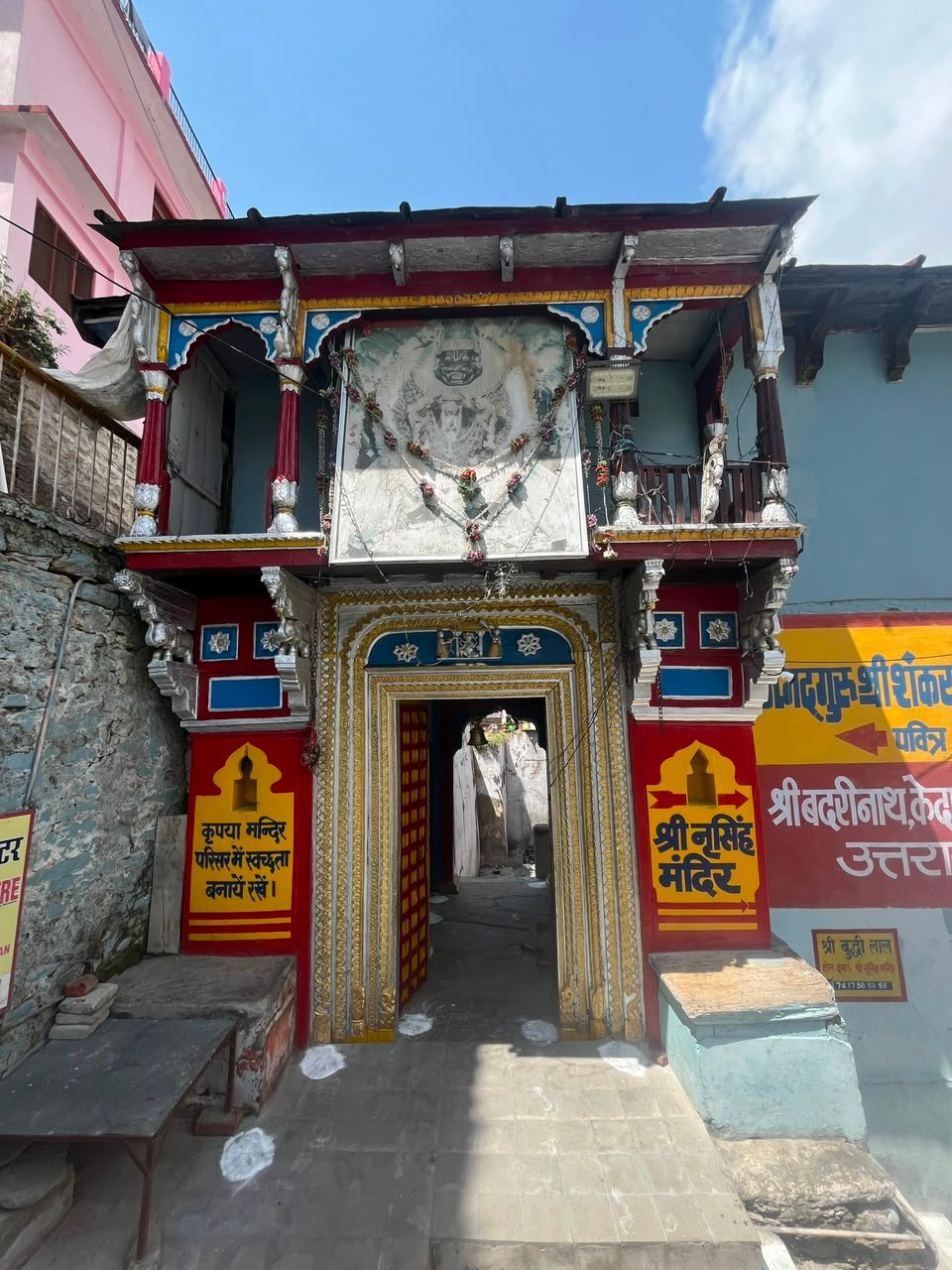
The region is also home to important spiritual sites that add a deeper meaning to the journey. One of the most famous is Timmersain Mahadev, a sacred cave shrine dedicated to Lord Shiva. During the suitable season, visitors can witness a naturally formed ice Shivling inside the cave.
For pilgrims, Timmersain Mahadev holds deep spiritual importance. Moreover, its remote location adds a sense of adventure to the experience. As you travel through the peaceful Himalayan landscape, the journey becomes a beautiful blend of devotion and exploration.
Therefore, a trip to this region offers much more than sightseeing. It brings together spirituality, culture, history, and Himalayan adventure, creating a memorable experience for pilgrims and travellers alike.
Why Niti Valley Is Different
Unlike many popular Himalayan destinations, Niti Valley remains relatively remote and peaceful. As a result, travellers can enjoy an authentic mountain experience away from crowded tourist centres and busy commercial areas.
Instead, you will discover traditional villages, quiet mountain roads, high-altitude landscapes, and a unique culture that the local people have preserved for generations. Moreover, the journey gives you a chance to experience the Himalayas through the eyes of the Rongpa people.
Most importantly, the mountains here offer much more than beautiful scenery. They shape everyday life, influence local traditions, and remain deeply connected to the history and identity of the people. Therefore, a visit to Niti Valley becomes not just a sightseeing experience, but a meaningful journey into Himalayan culture and heritage.
Experience Niti Valley with TrekClan
At TrekClan, we believe that travelling to the Himalayas means more than simply visiting beautiful places. Instead, we want every journey to help travellers discover the history, culture, and people that make each destination special.
Our Niti Valley Tour takes you deep into the remote Himalayan landscape while introducing you to the fascinating story of the Rongpa people. Along the way, you can explore ancient trade routes, traditional villages, sacred temples, and dramatic mountain landscapes. Moreover, every stop adds a new chapter to your Himalayan experience.
As a result, this journey offers much more than a typical travel experience. It connects you with Himalayan history, living culture, spirituality, and the natural beauty of the mountains.
So, if you are looking for an offbeat Uttarakhand tour that combines adventure, history, spirituality, and authentic Himalayan culture, the Niti Valley Tour offers an unforgettable experience.
SEO Keywords
Primary Keyword: Niti Valley
Secondary Keywords: Niti Valley History, Niti Valley Uttarakhand, Niti Valley Tour, Niti Valley Tribe, Rongpa Tribe, Rongpa People, Niti Village, Niti Pass, Niti Valley Culture, Niti Valley History and Culture, Niti Valley Travel Guide, Niti Valley Tour Package.
Suggested SEO Title:
Niti Valley History & Story: Discover the Rongpa Culture of Uttarakhand
Suggested Meta Description:
Discover the history of Niti Valley, the Rongpa people, ancient trade routes, Niti Village, traditional culture, and spiritual heritage of Uttarakhand.