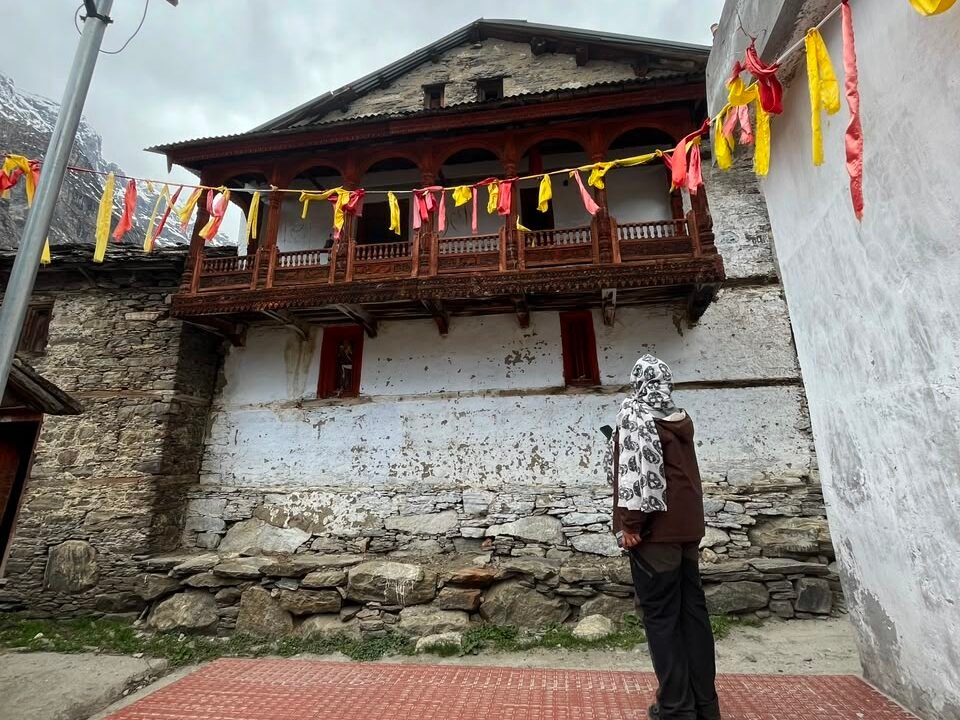
Niti Valley is one of the most remote and fascinating destinations in Uttarakhand. Located in the Chamoli district near the Indo-Tibetan border, this high-altitude region offers a unique mix of dramatic Himalayan landscapes, ancient trade-route history, traditional villages, spirituality, and Rongpa culture.
Unlike crowded Himalayan destinations, Niti offers a quieter and more authentic experience. Here, travellers can explore remote mountain villages, learn about the traditional lifestyle of the Rongpa people, visit sacred places, and enjoy breathtaking views of the high Himalayas.
If you are planning a Niti Valley Tour, this complete guide covers everything you need to know before your journey.
Where Is Niti Valley Located?
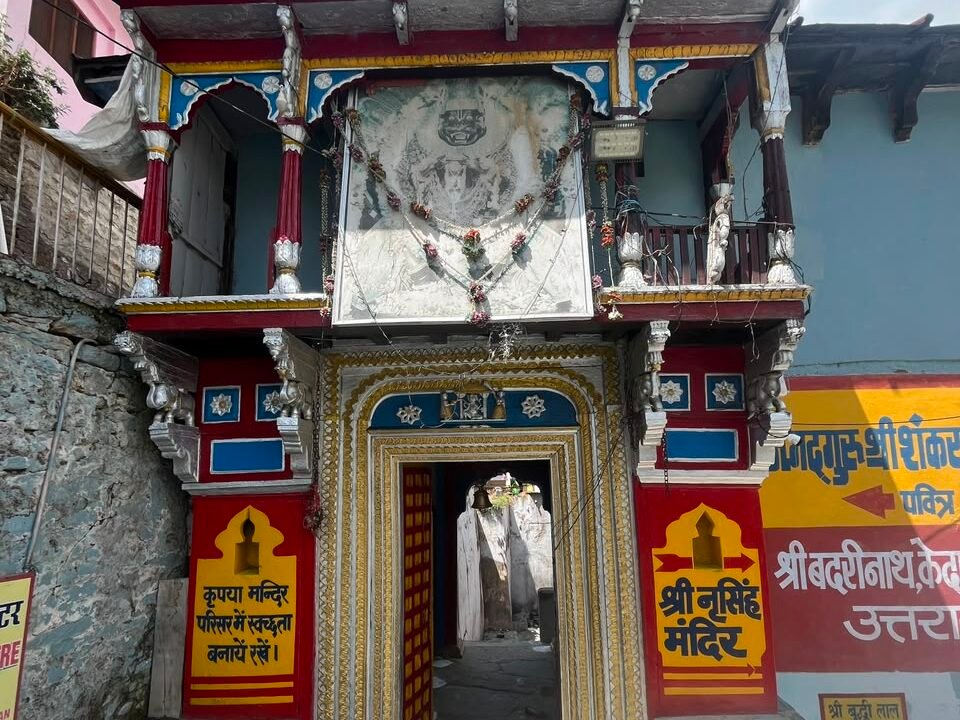
Niti Valley lies in the Chamoli district of Uttarakhand, in the upper reaches of the Dhauli Ganga region. The valley extends towards the Indo-Tibetan border and includes several remote settlements, including Niti, Gamshali, Malari, Bampa, and Niti Pass.
The region sits at a high altitude, so the landscape looks very different from the lower Himalayan areas. As you travel deeper into the valley, forests gradually give way to rocky mountains, alpine landscapes, and high-altitude settlements.
Why Is Niti Valley Famous?
Niti Valley is famous for several reasons. First, it has a fascinating connection with the ancient India-Tibet trade routes. Second, it is home to the Rongpa people, whose culture has developed around the challenging Himalayan environment.
In addition, the region is known for Niti Village, Niti Pass, Malari, Gamshali, Timmersain Mahadev, and spectacular mountain scenery.
Therefore, a trip here offers much more than sightseeing. It combines history, culture, spirituality, adventure, and nature in one journey.
The History of Niti Valley
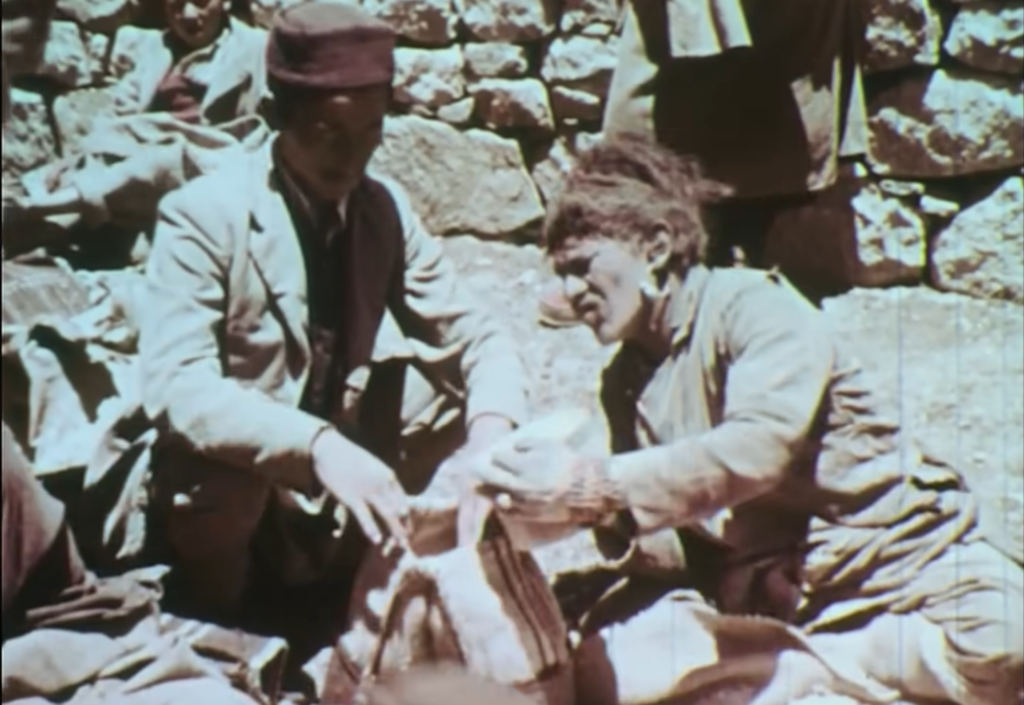
The history of this region is closely connected with the high Himalayan passes. For generations, local traders crossed these routes between India and Tibet.
Salt, wool, grains, livestock, and other essential goods formed an important part of the traditional trade. As a result, the mountain routes connected communities and supported local livelihoods.
However, the 1962 India-China War brought a major change. The border closed, and traditional cross-border trade came to an end.
Afterward, local communities adapted to new economic opportunities. Agriculture, animal husbandry, wool work, government employment, and other occupations gradually became more important.
Today, the old trade routes remain an important part of the history and identity of the region.
Who Are the Rongpa People?
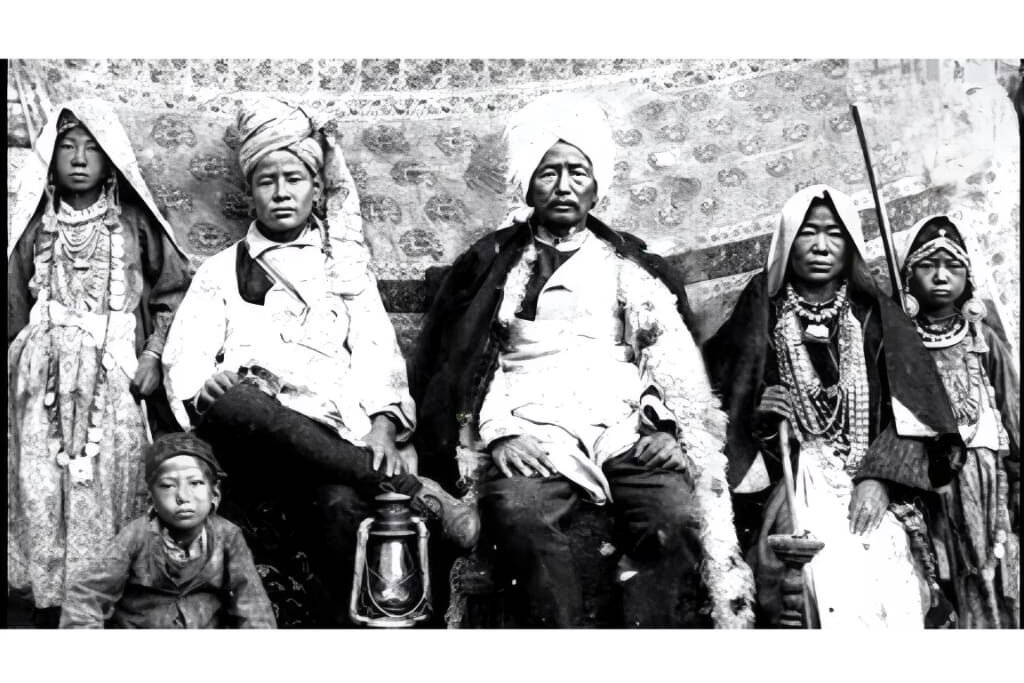
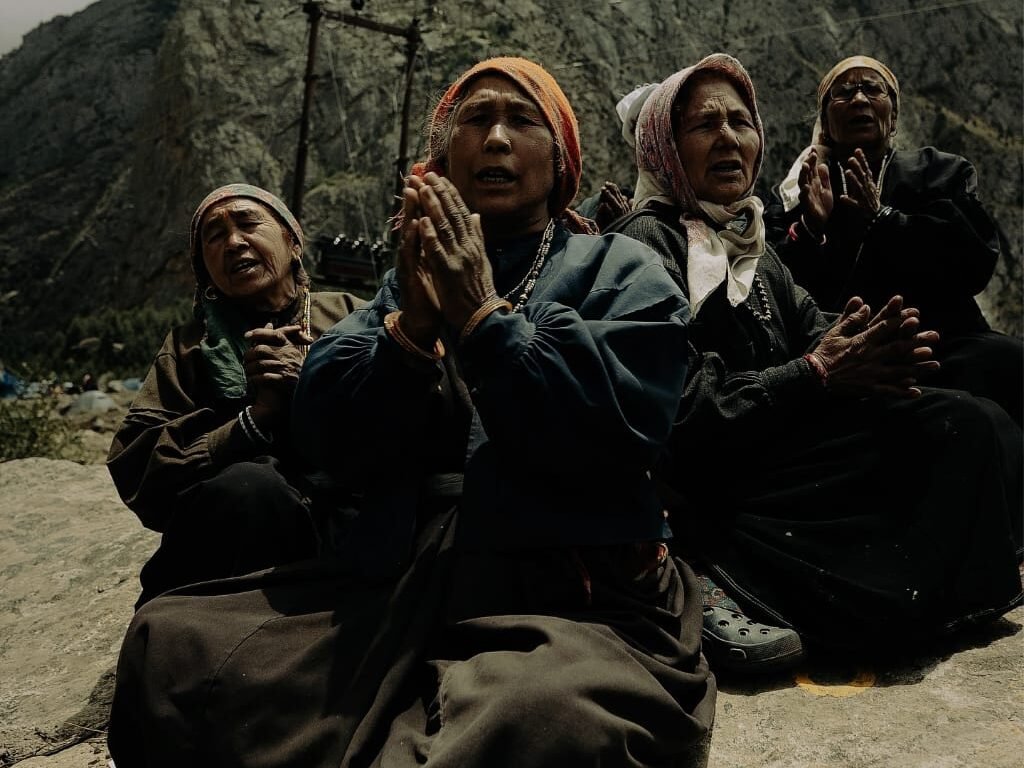
The Rongpa people are traditionally associated with the upper valleys around Niti. Their culture has developed over generations in response to the high-altitude environment.
Traditionally, the community depended on a combination of agriculture, livestock, trade, wool work, and seasonal migration.
Moreover, Rongpa culture includes distinctive traditions related to language, clothing, food, architecture, festivals, and religious practices.
For travellers, learning about the Rongpa people adds another dimension to the journey. The mountains are not simply scenic landscapes here. They are closely connected with the community’s history and everyday life.
Rongpa Culture and Seasonal Migration
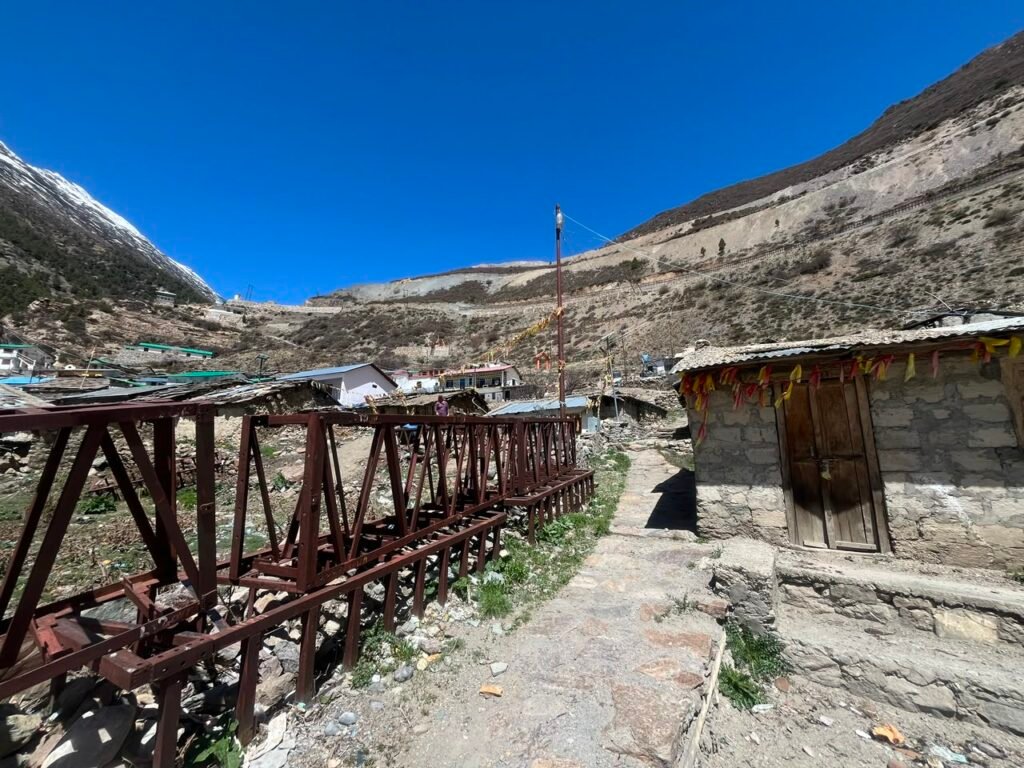
The harsh Himalayan climate has strongly influenced the Rongpa way of life.
During winter, heavy snowfall and freezing temperatures make life in the upper villages extremely difficult. Therefore, families traditionally moved towards lower settlements during the colder months.
When summer arrived, they returned to higher villages and alpine pastures.
This seasonal movement helped families manage agriculture and livestock while adapting to the changing Himalayan weather.
As a result, seasonal migration became an important part of Rongpa culture.
Niti Village

Niti Village is one of the most important settlements in the region. Located at a high altitude near the Indo-Tibetan border, it offers visitors a glimpse into traditional Himalayan life.
The village is surrounded by dramatic mountains and features traditional architecture that reflects the local environment.
A visit to Niti Village can help travellers understand how people have adapted to life in a remote and challenging mountain landscape.
More importantly, the village provides an opportunity to experience the cultural heritage of the Rongpa community.
Malari and Gamshali
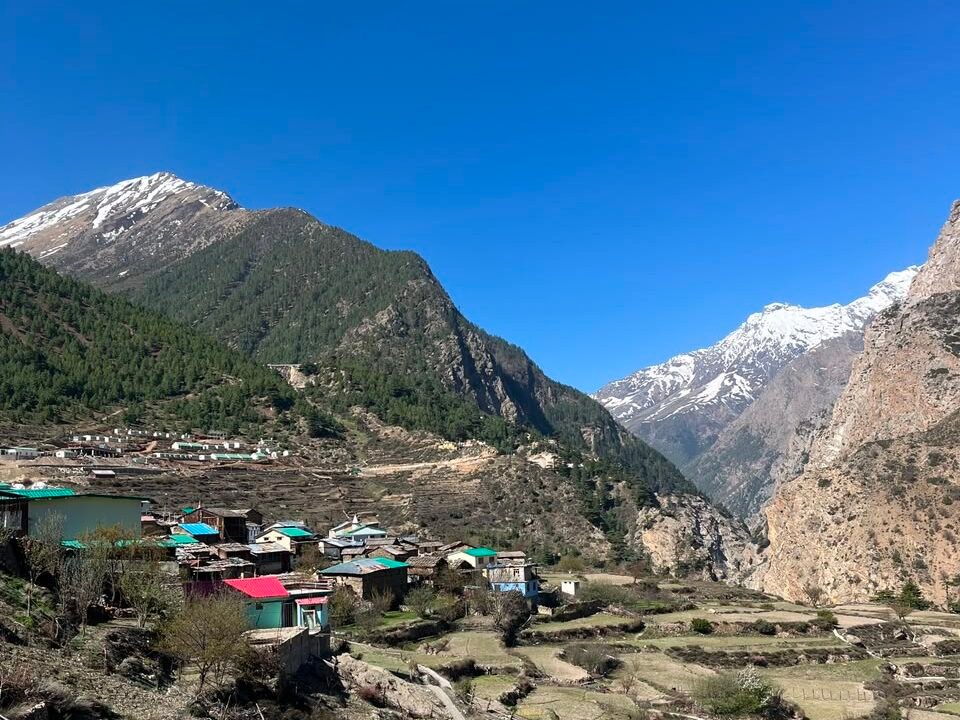
The journey through the region includes beautiful and culturally important villages such as Malari and Gamshali.
Malari is known for its remote location, traditional architecture, and connection with the historic trade routes. Gamshali, meanwhile, offers beautiful mountain scenery and access to surrounding high-altitude landscapes.
As you travel between these settlements, you can enjoy views of towering peaks, deep valleys, rivers, forests, and alpine terrain.
Consequently, the journey itself becomes an important part of the Niti Valley experience.
Timmersain Mahadev
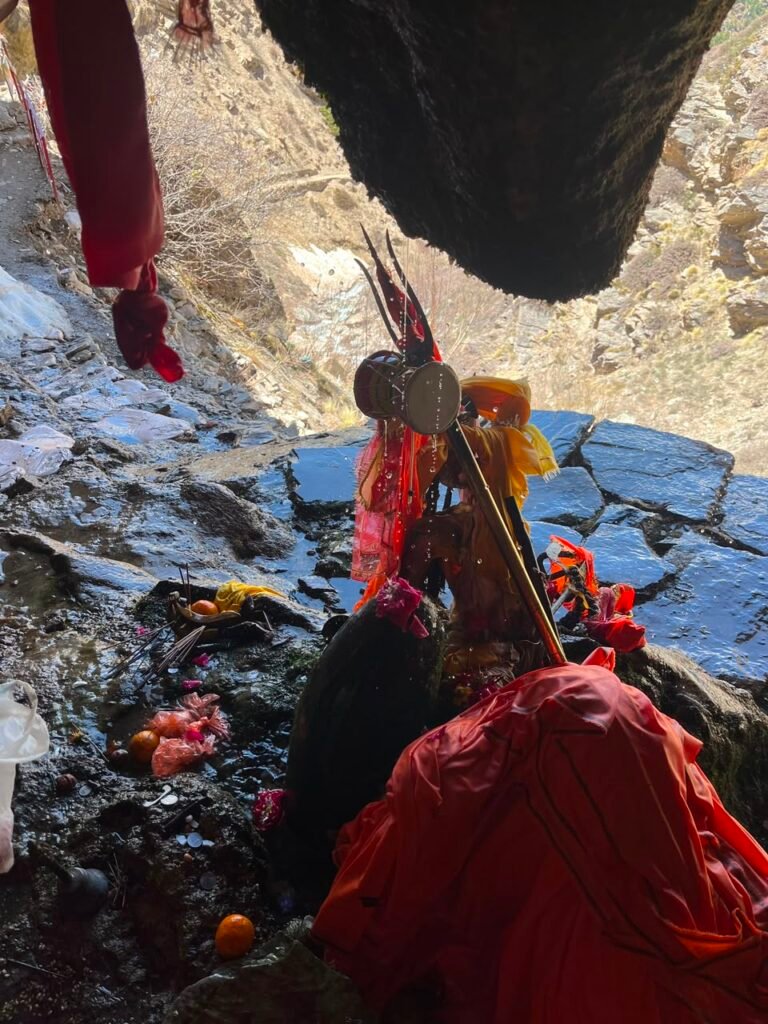
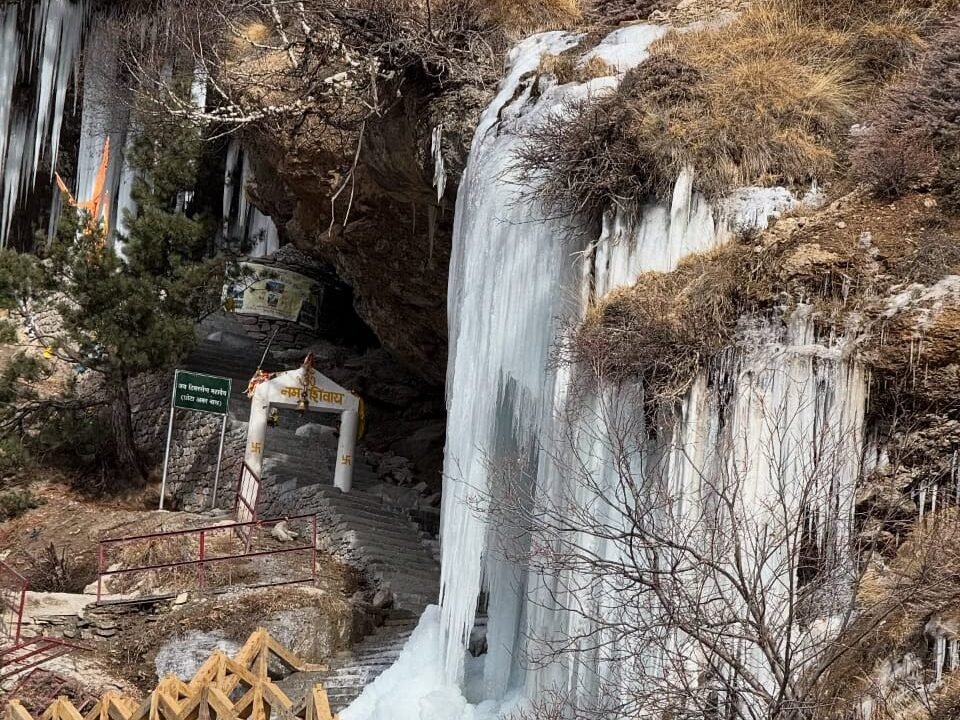
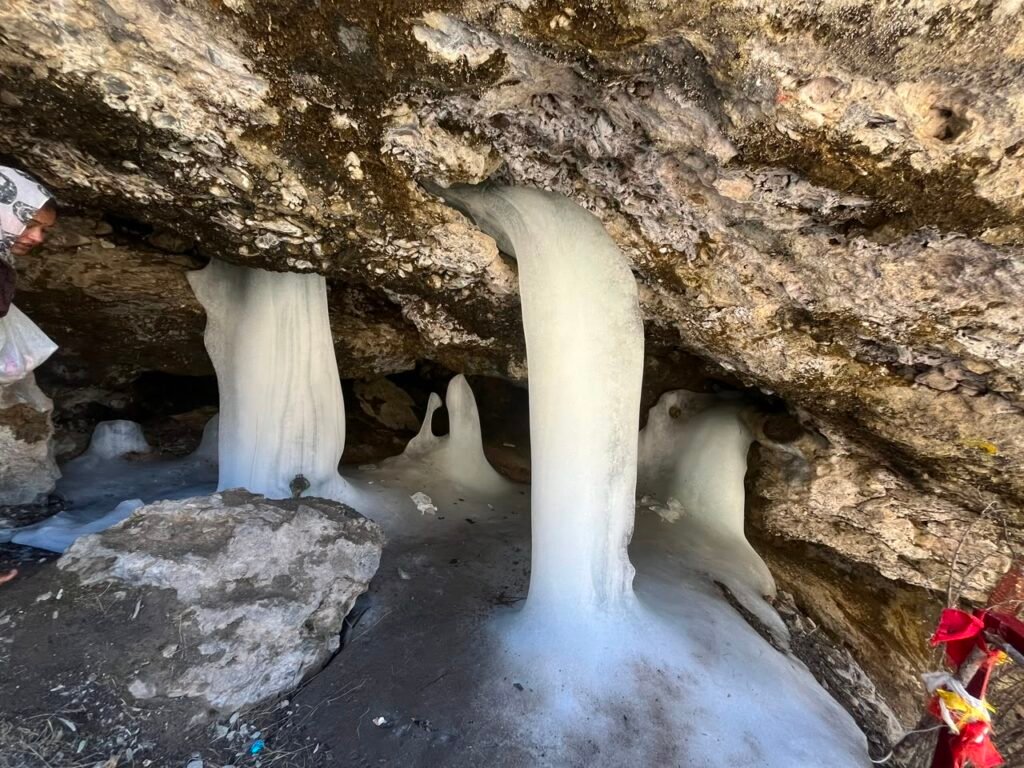
One of the most fascinating spiritual attractions in the region is Timmersain Mahadev.
This sacred cave shrine is dedicated to Lord Shiva. During the appropriate season, visitors may see a naturally formed ice Shivling inside the cave.
For devotees, the site holds deep spiritual importance. At the same time, its remote location adds an element of adventure to the experience.
Therefore, visiting Timmersain Mahadev allows travellers to combine spirituality and Himalayan exploration.
Niti Pass and the Ancient Trade Route
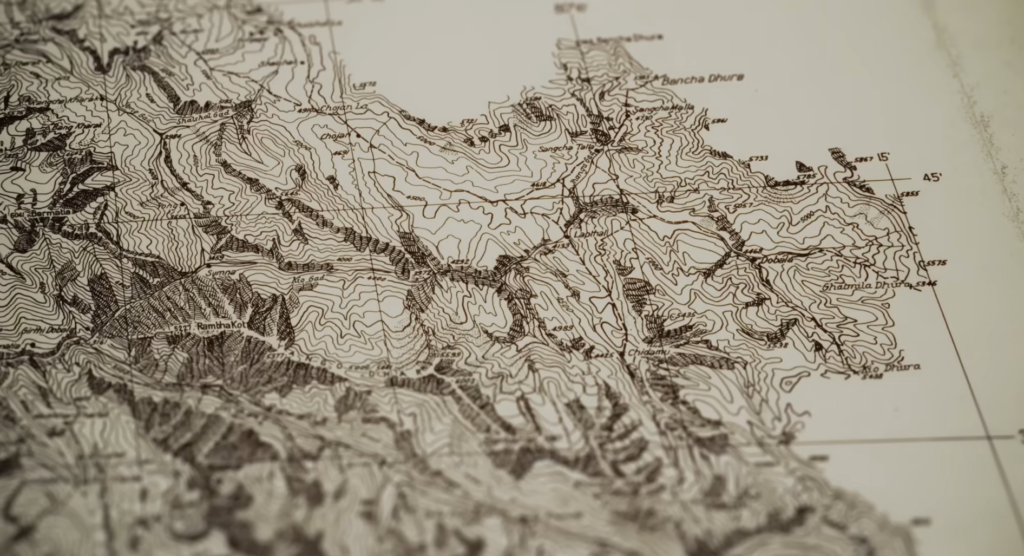
The Niti Pass played an important role in the historical connection between India and Tibet.
For generations, traders used the high mountain route to exchange goods. Salt and wool were especially important, while grains, livestock, and other products also moved along the trade network.
The difficult terrain required traders to understand the mountains, weather, and seasonal conditions.
Although the traditional trade route no longer operates as it once did, its history remains an important part of the region’s cultural heritage.
What Makes Niti Valley Different?
Unlike many popular Himalayan destinations, this region remains relatively remote and peaceful.
You will not find large commercial centres or crowded tourist markets. Instead, you will encounter traditional villages, quiet mountain roads, high-altitude landscapes, and a unique local culture.
Furthermore, the destination allows travellers to experience the Himalayas through the stories of the people who have lived here for generations.
The mountains are more than beautiful scenery. They shape the culture, history, lifestyle, and identity of the region.
Best Time to Visit Niti Valley
The best time to plan a trip is generally during the warmer and more accessible months.
May to June offers pleasant conditions for exploring the villages and surrounding landscapes. September to October can also provide clear mountain views and comfortable conditions.
However, weather and road conditions can change quickly in high-altitude areas. Therefore, travellers should always check current local conditions before planning their journey.
How to Reach Niti Valley
- Nearest Airport : Jolly Grant Airport, Dehradun
- Nearest Railway Station : Yognagri Rishikesh Railway Station
- Bus station : Rishikesh, Haridwar or Dehradun
There are many options of Buses to Joshimath and one option of Tapovan but from there only one or two shared cab run that too in morning time only.
So its better to take a package or Hire an adventure bike from Rishikesh.
To hire a bike you can contact us +916395171962
Most journeys to the region begin from Rishikesh or Haridwar.
From Rishikesh, travellers generally travel towards Devprayag, Rudraprayag, Karnaprayag, Chamoli, Joshimath, and Malari before continuing towards the upper valley.
The journey takes several hours and includes winding Himalayan roads. Although the drive can be long, the scenery makes it a memorable part of the experience.
Because this is a sensitive border region, travellers should also check the latest permission, identification, and security requirements before travelling.
Is Niti Valley Suitable for Everyone?
A trip here is best suited to travellers who enjoy remote destinations, long mountain drives, cultural experiences, and high-altitude landscapes.
It may not be ideal for travellers looking for luxury resorts, nightlife, or highly developed tourist infrastructure.
Instead, the experience focuses on nature, culture, adventure, and peaceful surroundings.
Therefore, if you enjoy exploring lesser-known Himalayan destinations, Niti Valley can be an excellent choice.
What to Expect During the Journey
Before travelling, it is important to understand that this is a remote Himalayan destination.
You should expect:
- Long mountain drives
- High-altitude conditions
- Limited mobile connectivity in some areas
- Simple accommodation
- Changing weather
- Remote villages
- Basic facilities
- Beautiful but challenging mountain roads
At the same time, these limitations are part of what makes the journey special.
What to Carry for a Niti Valley Trip
Pack according to the season and altitude. Warm clothing is important even during summer because temperatures can drop quickly.
Essential items include:
- Warm jacket and thermal layers
- Comfortable trekking shoes
- Sunglasses and sunscreen
- Personal medicines
- Water bottle
- Power bank
- Torch or headlamp
- Basic first-aid supplies
- Government-approved identification documents
- Small backpack for daily use
Additionally, carry reusable items whenever possible and avoid leaving plastic waste behind.
Responsible Travel in Niti Valley
The region has a fragile Himalayan ecosystem and a rich cultural heritage. Therefore, responsible travel is extremely important.
Avoid littering, respect local customs, and ask before photographing local people or private property. Support local businesses whenever possible and avoid disturbing wildlife or natural habitats.
Most importantly, leave the mountains as beautiful as you found them.
Why Visit Niti Valley with TrekClan?
At TrekClan, we believe that Himalayan travel should offer more than beautiful views.
Our Niti Valley Tour combines adventure with culture, history, spirituality, and local experiences. Along the journey, you can explore traditional villages, learn about the Rongpa people, discover the history of ancient trade routes, and experience the dramatic beauty of the upper Himalayas.
Moreover, our goal is to help travellers experience the destination respectfully while creating meaningful memories.
From the first mountain road to the remote villages of the upper valley, every part of the journey tells a story.
Final Thoughts
Niti Valley is not just another Himalayan destination. It is a place where mountains, history, culture, and spirituality come together.
From the ancient Niti Pass and traditional trade routes to the villages of Niti, Malari, and Gamshali, every part of the region reveals something unique. Meanwhile, the Rongpa people continue to preserve a cultural identity that gives this remote landscape its character.
So, if you want to explore an offbeat destination in Uttarakhand, experience authentic Himalayan culture, and discover a lesser-known side of the mountains, a Niti Valley Tour can be an unforgettable journey.
Frequently Asked Questions About Niti Valley
Where is Niti Valley located?
Niti Valley is located in Chamoli district of Uttarakhand, near the Indo-Tibetan border.
What is Niti Valley famous for?
The region is known for its ancient trade-route history, Niti Village, Niti Pass, Rongpa culture, Timmersain Mahadev, and spectacular Himalayan landscapes.
Who are the Rongpa people?
The Rongpa are a traditional Himalayan community associated with the upper valleys around Niti. Their culture has been shaped by mountain life, trade, agriculture, livestock, wool work, and seasonal migration.
What is the best time to visit Niti Valley?
May to June and September to October are generally suitable months, subject to current weather, road, and local access conditions.
Can tourists visit Niti Village?
Access to this border region can be subject to local permissions and security regulations. Always check the latest requirements before travelling.
How many days are enough for Niti Valley?
A 4 Nights 5 Days Niti Valley Tour can provide enough time to travel from Rishikesh, explore the major villages and attractions, and return comfortably.
Is Niti Valley good for an offbeat Himalayan trip?
Yes. The region is particularly suitable for travellers who enjoy remote mountain destinations, traditional culture, scenic road journeys, spirituality, and authentic Himalayan experiences.